
- 1.ICF-MCC certification is the highest credential the International Coaching Federation offers — fewer than 5% of ICF-credentialed coaches hold it
- 2.Requirements include 200+ hours of coach-specific training (Level 3), 2,500+ hours of coaching experience, and a performance evaluation by ICF assessors
- 3.Total cumulative investment across all three ICF levels: $8,000-$20,000+ including training, mentor coaching, and application fees
- 4.MCCs earn roughly twice what non-certified coaches make and command the highest hourly rates in the profession ($300-$500+)

Professional Life Coach Certification
Foundational coaching certification covering methods, tools, and industry best practices.

Life Purpose Coach Certification
Help clients uncover purpose, align actions with values, and create meaningful lives.

Confidence Coach Certification
Help clients develop unshakable self-trust and overcome self-doubt.

NLP Coach Certification
Leverage NLP techniques to reprogram the subconscious for lasting transformation.
Affiliate link · We may earn a commission at no extra cost to you
What Is the ICF-MCC?
The Master Certified Coach (MCC) is the highest credential offered by the International Coaching Federation. It sits above both the ACC (Associate Certified Coach) and the PCC (Professional Certified Coach) in the ICF credentialing ladder.
Fewer than 5% of all ICF-credentialed coaches hold the MCC. That's not a marketing number — it reflects the significant time, experience, and skill required to earn it. The MCC is not a credential you pursue early in your coaching career. It's the culmination of years of deliberate practice, advanced training, and demonstrated mastery.
If you're just starting out, this page is worth bookmarking for later. If you're an experienced PCC considering the next step, this guide covers exactly what's required, what it costs, and whether the investment makes sense for your goals.
ICF-MCC Requirements
The MCC credential has the most demanding requirements of any ICF certification. Here's what you need:
200+ hours of coach-specific training. This must include training from an ICF-accredited Level 3 program, which provides a minimum of 75 additional hours beyond Level 2. Your cumulative training across Levels 1, 2, and 3 must total at least 200 hours. ICF maintains a searchable directory of accredited programs.
2,500+ hours of coaching experience. At least 2,250 of these must be paid coaching hours. This is the single biggest barrier — accumulating 2,500 hours typically takes 5-10+ years of active coaching practice.
10 hours of mentor coaching. You'll need 10 hours of mentor coaching within the 24 months prior to your application. This is separate from your training program and focused on refining your MCC-level competencies.
Performance evaluation. Unlike the ACC and PCC, which require passing a written exam, the MCC path requires a performance evaluation. You'll submit a recorded coaching session that is reviewed by trained ICF assessors against MCC-level competency markers.
Application fee: $675 for ICF members, $825 for non-members.
The Long Path: How Long Does It Really Take?
Let's be direct about the timeline. The MCC is not something you earn in a year or two. For most coaches, the path from first training to MCC credential looks like this:
Years 1-2: ACC level. You complete 60+ hours of Level 1 training, accumulate 100+ coaching hours, and earn your ACC credential. This is where most coaches start.
Years 2-4: PCC level. You complete additional training to reach 125+ hours (Level 2), accumulate 500+ coaching hours, and earn your PCC credential. Many coaches spend the bulk of their careers at this level.
Years 5-10+: MCC level. You complete Level 3 training (75+ additional hours), accumulate 2,500+ total coaching hours, and pass the performance evaluation. The hour requirement alone takes most coaches several more years after reaching PCC.
Do the math: if you coach an average of 15 hours per week (which is above average — ICF data shows coaches average about 11.6 hours per week), it would take roughly 3.5 years of continuous coaching just to go from 500 hours (PCC) to 2,500 hours (MCC). At 10 hours per week, that stretches to over 5 years.
This is not a criticism of the requirement — it's the point. The MCC is meant to recognize coaches with genuine mastery, and mastery takes time.
The Performance Evaluation: What to Expect
The MCC performance evaluation is the most distinctive part of the application process. Instead of a knowledge exam, the ICF assesses your actual coaching skill.
How it works: You submit a recorded coaching session (audio or video) with a real client. The session must demonstrate MCC-level proficiency across the ICF Core Competencies. Trained ICF assessors review the recording and score it against specific behavioral markers.
What assessors look for: At the MCC level, coaching should look effortless. Assessors evaluate your ability to partner deeply with the client, demonstrate active listening that goes beyond words, ask questions that create lasting insight, and facilitate genuine transformation — not just problem-solving. The coaching should feel client-led, not coach-directed.
Why it matters: This evaluation separates the MCC from credentials you can earn by passing a test. You can study your way through the ACC and PCC exams. You cannot fake MCC-level coaching on a recorded session. The assessment is rigorous, and not everyone passes on the first attempt.
Preparation tip: Many MCC candidates work with a mentor coach who holds an MCC specifically to prepare for this evaluation. Your mentor can review practice recordings and identify areas where your coaching doesn't yet meet MCC markers. Budget for this mentoring beyond the required 10 hours if you want to maximize your chances.
Cost Breakdown: What the MCC Really Costs
The MCC is the most expensive ICF credential — not because of a single large cost, but because of cumulative investment across all three levels. Here's the honest breakdown:
Level 3 training: $4,200-$8,000. This is the MCC-specific training cost on top of whatever you've already spent on Level 1 and Level 2 programs. Level 3 programs focus on advanced coaching skills, mentor coaching competencies, and preparing for the performance evaluation.
Mentor coaching (10 hours): $1,000-$2,500, depending on your mentor's rates. MCC-level mentor coaches typically charge $100-$250 per hour. Some Level 3 programs include mentor coaching in their tuition.
Application fee: $675 for ICF members, $825 for non-members. ICF membership runs $245 per year, so membership pays for itself at application time and gives you access to member resources.
Total cumulative investment (all three levels): $8,000-$20,000+ when you add up Level 1 training ($2,000-$5,000), Level 2 training ($2,000-$7,000), Level 3 training ($4,200-$8,000), mentor coaching across all levels, application fees, and ICF membership over 5-10+ years. Source: Coaching-Online.org cost analysis.
Ongoing costs: The MCC credential must be renewed every 3 years. Renewal requires 40 hours of continuing education (CE) and a renewal fee of $175 (ICF members) or $275 (non-members). Budget approximately $500-$2,000 per renewal cycle for CE courses plus the renewal fee.
Who Should Pursue the MCC?
The MCC is not for every coach. Here's an honest look at who benefits most from pursuing it — and who doesn't need it.
It makes sense if you: Coach full-time and plan to for the long term. Want to train, mentor, or supervise other coaches (many training programs require MCC-level faculty). Serve corporate and executive clients where the credential signals the highest level of competence. Have already accumulated most of the required hours and the incremental investment is manageable. Want to differentiate yourself in a crowded market.
It may not be necessary if you: Coach part-time or as a secondary career. Serve individual clients who don't evaluate coaches by credential level. Specialize in a niche like wellness, spiritual, or relationship coaching where ICF credentials are less of a factor. Haven't yet built a sustainable coaching practice — the PCC is sufficient for most professional contexts.
Be honest with yourself about the ROI. If your coaching income is primarily from individual clients paying $100-$200 per session, the MCC probably won't change your earning trajectory enough to justify $4,200-$8,000 in Level 3 training alone. If you're coaching executives at $300-$500+ per session or pursuing corporate contracts, the MCC distinguishes you from the thousands of PCC-level coaches competing for the same work.
Career Impact: What the MCC Gets You
The MCC opens doors that other credentials don't. Here's what changes when you earn the highest ICF designation:
Higher rates. MCCs command the highest coaching fees in the industry. Executive and corporate coaches with an MCC routinely charge $300-$500+ per session. ICF data shows that MCCs earn roughly twice what non-certified coaches make for comparable services.
Trainer and faculty roles. This is one of the most significant career paths the MCC unlocks. ICF-accredited training programs need MCC-credentialed coaches on their faculty. If you want to train the next generation of coaches — and earn income from teaching in addition to coaching — the MCC is effectively required.
Mentor coaching. Experienced MCCs serve as mentor coaches for ACC and PCC candidates. This is a steady revenue stream — every ICF credential applicant needs mentor coaching hours, creating consistent demand for qualified mentors.
Corporate and organizational credibility. When companies hire external coaching firms or individual coaches, the MCC signals the highest level of ICF-recognized competence. For large contracts, it can be the differentiator that wins the work.
Professional standing. With fewer than 5% of ICF coaches holding the MCC, the credential places you in an elite group. It's a signal to peers, clients, and organizations that you've reached the top of the profession's credentialing system.
The career impact is real, but it's most pronounced for coaches who leverage the credential strategically — moving into training, mentoring, corporate contracts, and executive coaching. If you plan to continue coaching individual clients at the same rates, the MCC alone won't transform your business.
Frequently Asked Questions
Sources
Official credential requirements, fees, and renewal policies
Certification impact on income and career outcomes
Professional ethics and standards of practice
Latest Articles

Life Coaching Industry Trends 2026
The coaching industry hit $5.34 billion. Here are the trends shaping 2026 and what they mean for new coaches.

How Much Does Certification Cost?
Complete cost breakdown: ICF-ACC, ICF-PCC, affordable alternatives from $197, and hidden costs nobody mentions.

Can ChatGPT Replace a Life Coach?
AI chatbots vs human coaches: effectiveness, cost, and what the research actually says.
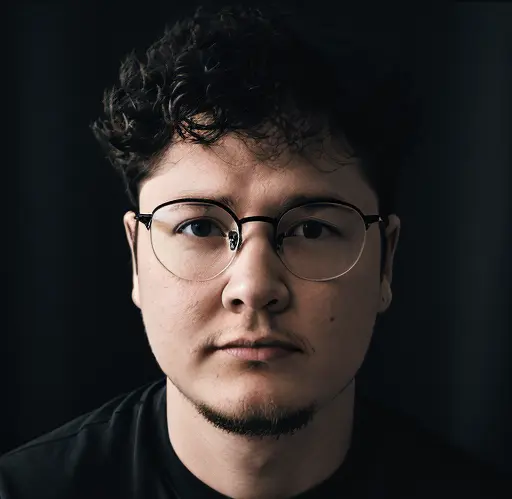
Taylor Rupe
B.A. Psychology | Editor & Researcher
Taylor holds a B.A. in Psychology, giving him a strong foundation in human behavior, motivation, and the science behind personal development. He applies this background to evaluate coaching methodologies, certification standards, and career outcomes — ensuring every article on this site is grounded in evidence rather than industry hype.