
- 1.No license is required to practice life coaching in Hawaii — life coach certification is voluntary but strongly recommended
- 2.Life coaches in Hawaii earn an average of $56,014/year, about 4% above the national average of $54,000
- 3.ICF-accredited training programs are available through other online providers, with no brick-and-mortar programs based in Hawaii
- 4.Top coaching markets: Honolulu, Kailua, Kahului

Professional Life Coach Certification
Foundational coaching certification covering methods, tools, and industry best practices.

Life Purpose Coach Certification
Help clients uncover purpose, align actions with values, and create meaningful lives.

Confidence Coach Certification
Help clients develop unshakable self-trust and overcome self-doubt.

NLP Coach Certification
Leverage NLP techniques to reprogram the subconscious for lasting transformation.
Affiliate link · We may earn a commission at no extra cost to you
Life Coach Training & Certification Overview: Hawaii
Hawaii's coaching market is shaped by two dominant economic forces: a tourism industry that generates over $21 billion in annual visitor spending and a military sector that contributes more than $7.8 billion annually to the state economy. Both industries create strong demand for coaching services — tourism and hospitality professionals face burnout and career transitions, while military families stationed across Oahu, Maui, and the Big Island often seek life coaches for relocation adjustment, relationship support, and career planning after service.
The state's wellness culture, rooted in the Hawaiian concept of pono (balance and righteousness), creates a natural alignment with coaching services. Health and wellness coaching is particularly strong here, as residents and visitors alike seek holistic approaches to personal growth. The construction boom — which saw payroll jobs reach a record 41,300 in August 2025 — has also created demand for executive and career coaching among professionals navigating rapid industry growth.
However, Hawaii's extremely high cost of living (index of 185.0, the highest in the nation) means coaches must price services strategically. Many successful Hawaii coaches supplement in-person sessions with virtual coaching for mainland clients, leveraging the island lifestyle brand as a unique selling proposition.
$56,014/yr
Avg. Coach Salary
185.0
Cost of Living
vs. 100 national avg
$50
LLC Filing Fee
Yes
Income Tax
Honolulu
Top City
Do You Need a Life Coach Certification in Hawaii?
Hawaii does not require a license or certification to practice life coaching. No U.S. state currently regulates the profession. However, certification significantly boosts credibility and earning potential — particularly in Hawaii's competitive Honolulu market where clients often compare multiple coaches before choosing one.
The International Coaching Federation (ICF) offers three credential levels — ACC, PCC, and MCC — that are widely recognized by clients and employers. For more details, see our certification comparison guide.
| ICF-ACC | ICF-PCC | ICF-MCC | |
|---|---|---|---|
| Training Hours | 60+ hours | 125+ hours | 200+ hours |
| Coaching Experience | 100+ hours | 500+ hours | 2,500+ hours |
| Typical Cost | $2,000-$6,000 | $5,000-$12,000 | $10,000-$20,000 |
| Timeline | 6-12 months | 1-2 years | 3-5 years |
| Best For | New coaches | Established coaches | Master-level coaches |
Source: ICF Credentialing Requirements 2026
Professional Life Coach Certification
Foundational coaching certification covering methods, tools, and industry best practices.
- Transformational coaching methods
- Client session frameworks
- Business launch resources
Save thousands compared to traditional programs
Affiliate link · We may earn a commission at no extra cost to you
Life Coach Training: Getting Started in Hawaii
Starting a coaching practice in Hawaii requires careful planning around the state's unique geography and cost structure. Most new coaches begin by identifying a niche that aligns with local demand — wellness coaching, military family coaching, executive coaching for tourism and hospitality leaders, or transition coaching for professionals moving to or from the islands.
Because Hawaii has no locally based ICF-accredited programs, most aspiring coaches enroll in online training through providers like iPEC, or Lumia Coaching. Online programs offer the flexibility to train on your own schedule while maintaining other employment — an important consideration given Hawaii's high living costs.
Virtual coaching has become the norm rather than the exception in Hawaii, with many coaches serving clients across multiple islands and on the mainland. This model reduces overhead costs and expands your potential client base far beyond your immediate geographic area.
5 Steps to Life Coach Certification in Hawaii
Choose a Training Program
Select an ICF-accredited online program.
Complete Your Training
Finish 60+ hours for ACC or 125+ hours for PCC certification. Most online programs can be completed in 6-12 months.
Register Your Business in Hawaii
File an LLC with the Hawaii Department of Commerce and Consumer Affairs ($50 filing fee). Annual reports cost $15.
Get Liability Insurance
Professional liability insurance typically costs $200-$500/year and is strongly recommended for coaching practices.
Find Your First Clients
Start with your local market in Honolulu. Leverage virtual platforms to serve clients across the islands and mainland.
Life Coach Salary and Earning Potential in Hawaii
Life coaches in Hawaii earn an average of $56,014/year, according to ZipRecruiter data. This is approximately 4% above the national average of $54,000.
Earning potential varies significantly by specialization. Executive coaches serving Hawaii's tourism and hospitality executives can earn $150-$500/hr, while wellness and health coaches typically earn $75-$150/hr. Military family coaches often work on contract with base family support programs, providing a steady income stream.
With Hawaii's cost of living index at 185.0 — the highest in the nation — your effective purchasing power is substantially lower than coaches in average-cost states. A $56,014 salary in Hawaii has roughly the same buying power as $30,000 on the mainland. This makes virtual coaching for mainland clients at mainland rates an attractive strategy.
For a comprehensive salary breakdown, see our life coach salary guide.
Source: ZipRecruiter, 2025
Setting Up Your Coaching Business in Hawaii
Most life coaches in Hawaii operate as sole proprietors or LLCs. Given the state's litigious environment and high-value clientele, forming an LLC is strongly recommended for liability protection.
LLC Formation: File with the Hawaii Department of Commerce and Consumer Affairs (DCCA). The filing fee is $50, one of the lowest in the nation. Annual reports cost $15/year.
Business Insurance: Professional liability (errors and omissions) insurance is strongly recommended. Typical cost: $200-$500/year.
Taxes: Hawaii has a state income tax with rates ranging from 1.4% to 11%. The state also imposes a General Excise Tax (GET) of 4% (4.5% on Oahu) on gross business income — this applies to coaching fees and is not a sales tax, so it's levied on the coach, not the client.
For step-by-step guidance, see our coaching business startup guide.
| Sole Proprietorship | LLC in Hawaii | |
|---|---|---|
| Formation Cost | $0-$50 (DBA only) | $50 filing fee |
| Annual Fees | None | $15/year |
| Personal Liability | Unlimited | Limited liability protection |
| Taxes | Personal return only | Pass-through (same treatment) |
| Credibility | Informal | More professional |
| Best For | Testing the waters | Serious coaching practice |
Source: Hawaii DCCA, 2026
Traditional ICF Programs
- Cost: $3,000–$15,000
- Duration: 6–12 months
- Schedule: Fixed class times
- Location: In-person or scheduled live
Transformation Academy
- Cost: $197
- Duration: Self-paced
- Schedule: Start anytime
- Location: 100% online
Affiliate link · We may earn a commission at no extra cost to you
Life Coach Training Programs in Hawaii
Hawaii does not currently have brick-and-mortar ICF-accredited coach training programs. However, several nationally recognized online programs serve Hawaii residents effectively.
Other ICF-accredited online programs available to Hawaii residents include iPEC (20+ years of ICF accreditation), Lumia Coaching (9-month program with business guidance), and the Certified Life Coach Institute (intensive 3-day format). The time zone difference can actually work in your favor — morning classes in Hawaii align with afternoon sessions on the mainland.
For a comprehensive comparison of online options, see our online life coach certification guide.
In-Demand Coaching Specializations in Hawaii
Hawaii's unique economy creates distinct coaching niches. Wellness and health coaching is the strongest specialization, driven by the state's cultural emphasis on holistic well-being and the growing wellness tourism sector. Many coaches integrate Hawaiian cultural concepts like aloha (love and compassion) and pono (balance) into their practice.
Military family coaching is a high-demand niche given the $7.8 billion defense presence across the islands. Coaches help with relocation adjustment, deployment stress, career transitions after service, and relationship challenges unique to military life. Executive coaching for tourism and hospitality leaders is another strong market, especially in Honolulu and Maui's resort communities.
Career transition coaching serves professionals affected by Hawaii's economic shifts, as the state diversifies beyond tourism into construction, healthcare, and professional services. For more specialization options, visit our coaching specializations guide.
Life Coach Training by City in Hawaii
Explore coaching markets across Hawaii
How to Become a Life Coach in Honolulu, Hawaii
Hawaii's capital and largest city, Honolulu is the economic, cultural, and governmental center of the islands. Its diverse mix of military families, tourism executives, healthcare professionals, and tech workers creates the strongest concentration of coaching clients in the state.
Coaching Market
Honolulu's coaching market draws from the city's uniquely diverse economic base. The tourism and hospitality industry, anchored by Waikiki's hotel corridor and major employers like Marriott, Hilton, and Outrigger Hotels, generates strong demand for executive coaching, leadership development, and career advancement services. Healthcare is another dominant sector, with The Queen's Medical Center, Hawaii Pacific Health, and Kaiser Permanente employing thousands of professionals who seek work-life balance and burnout prevention coaching.
The military presence at Joint Base Pearl Harbor-Hickam, the largest military installation in the Pacific, creates a steady pipeline of coaching clients. Military spouses navigating frequent relocations, service members transitioning to civilian careers, and veterans building post-service identities all represent significant coaching niches. Coaches in Honolulu also serve clients in Pearl City, Aiea, Kailua, Kaneohe, and Kapolei, effectively covering all of Oahu's population centers from a single base.
Honolulu's growing technology sector, supported by organizations like the Hawaii Technology Development Corporation and the presence of companies in the Kakaako innovation district, has created demand for startup coaching and entrepreneurial mentoring. The city's multicultural environment, where Native Hawaiian, Japanese, Filipino, Chinese, and mainland American cultures intersect, allows coaches to develop culturally responsive practices that resonate with a wide range of clients. Life coaches in Honolulu typically charge between $100 and $350 per hour, with executive and niche specialists commanding higher rates.
Training Programs
- iPEC — ICF-accredited, online format
While Honolulu lacks locally headquartered ICF-accredited training programs, several nationally recognized providers serve Hawaii residents effectively. iPEC, with more than 20 years of ICF accreditation, provides both online and in-person training formats that accommodate Hawaii's remote geography.
Hawaii Community College offers an Online Certified Professional Life Coach program that provides a practical entry point for residents who want to explore coaching before committing to full ICF accreditation. The University of Hawaii at Manoa's psychology and counseling departments, while not offering coach-specific certification, provide foundational coursework and networking opportunities that complement coaching credentials. Honolulu Community College's Continuing Education division periodically offers personal development workshops relevant to coaching skills.
For coaches seeking health and wellness specialization, the ANHCO Advanced Dual Health & Life Coach Certification blends ICF coaching competencies with National Board of Health and Wellness Coaching (NBHWC) standards, a particularly valuable credential given Hawaii's emphasis on holistic wellness. Coaches in nearby Kailua, Pearl City, and Kapolei access these same online programs, often forming study groups that meet in person across Oahu. The ICF Hawaii Chapter, founded by Katherine Li, PhD, Kathy Fujiwara, Jeff Berlin, and Jason Glassner, PMP, CPCC, ACC, also hosts continuing education unit (CEU) opportunities locally, helping credentialed coaches maintain their certifications.
Networking & Community
- ICF Hawaii Chapter — Professional coaching network
- Chamber of Commerce — Business networking
The ICF Hawaii Chapter (icfhawaii.org) is the primary professional networking body for coaches in the islands. Though relatively young compared to mainland chapters, ICF Hawaii holds general membership meetings that include educational components, networking sessions, and CEU opportunities. The chapter shares resources with other ICF organizations, giving members access to a broader professional community beyond the islands.
The Chamber of Commerce of Hawaii and the Honolulu chapter of the American Marketing Association provide opportunities for coaches to connect with potential corporate clients and referral partners. Honolulu's wellness community is exceptionally active, with organizations like Mindful Matters Wellness Center and Growing People Hawaii creating cross-referral ecosystems between coaches, therapists, and holistic practitioners.
Coaches seeking military-focused networking can connect through the Armed Services YMCA of Honolulu and military family support organizations at Joint Base Pearl Harbor-Hickam. The Alternative Board (TAB) Honolulu, led by business coach Valerie Koenig, runs peer advisory boards for business owners that serve as both a coaching delivery model and a networking channel. For coaches serving the broader Oahu market, including clients in Aiea, Mililani, Waipahu, and Ewa Beach, Honolulu-based networking events provide the central gathering point. The annual Hawaii Wellness Festival and various yoga and mindfulness retreats around the island also attract potential coaching clients and collaborative partners.
Business Considerations
Office Rent
$27.12/sq ft avg
Forming an LLC in Hawaii requires filing Articles of Organization with the Department of Commerce and Consumer Affairs (DCCA) for a $51 filing fee ($50 base plus $1 State Archives fee), with annual reports costing just $12.50 when filed online. Expedited processing is available for $76 total. Hawaii's General Excise Tax (GET), currently 4% statewide with a 0.5% Oahu surcharge totaling 4.5%, applies to coaching revenue in lieu of a traditional sales tax, which is an important consideration for pricing services.
Office space in downtown Honolulu averages $27.12 per square foot, with coworking options significantly more expensive than mainland alternatives. Regus offers shared workspace starting at approximately $559 per person per month, while dedicated desks at coworking spaces average around $569 monthly. Day passes at facilities like Hawaii Coworking run approximately $95 per day. These costs are substantially higher than the national coworking average of $512 per month, reflecting Honolulu's overall cost of living index of 185.0.
Many coaches in Honolulu operate virtual practices, which aligns with the island geography and reduces overhead significantly. Hawaii's state income tax, with rates ranging from 1.4% to 11% on the highest earners, is among the steepest in the nation and should be factored into pricing strategy. However, the average life coach salary of $56,014 in Hawaii reflects the premium that clients are willing to pay in this market. Coaches operating from Honolulu can serve clients across all islands virtually, while those based in more affordable areas like Pearl City or Kapolei can reduce their overhead while still accessing Honolulu's client base.
Life Coach Training Locations in Hawaii
How to Become a Life Coach in Honolulu, Hawaii
Hawaii's capital and largest city, Honolulu is the economic, cultural, and governmental center of the islands. Its diverse mix of military families, tourism executives, healthcare professionals, and tech workers creates the strongest concentration of coaching clients in the state.
Coaching Market — Honolulu, Hawaii
Honolulu's coaching market draws from the city's uniquely diverse economic base. The tourism and hospitality industry, anchored by Waikiki's hotel corridor and major employers like Marriott, Hilton, and Outrigger Hotels, generates strong demand for executive coaching, leadership development, and career advancement services. Healthcare is another dominant sector, with The Queen's Medical Center, Hawaii Pacific Health, and Kaiser Permanente employing thousands of professionals who seek work-life balance and burnout prevention coaching. The military presence at Joint Base Pearl Harbor-Hickam, the largest military installation in the Pacific, creates a steady pipeline of coaching clients. Military spouses navigating frequent relocations, service members transitioning to civilian careers, and veterans building post-service identities all represent significant coaching niches. Coaches in Honolulu also serve clients in Pearl City, Aiea, Kailua, Kaneohe, and Kapolei, effectively covering all of Oahu's population centers from a single base. Honolulu's growing technology sector, supported by organizations like the Hawaii Technology Development Corporation and the presence of companies in the Kakaako innovation district, has created demand for startup coaching and entrepreneurial mentoring. The city's multicultural environment, where Native Hawaiian, Japanese, Filipino, Chinese, and mainland American cultures intersect, allows coaches to develop culturally responsive practices that resonate with a wide range of clients. Life coaches in Honolulu typically charge between $100 and $350 per hour, with executive and niche specialists commanding higher rates.
Training Programs — Honolulu, Hawaii
While Honolulu lacks locally headquartered ICF-accredited training programs, several nationally recognized providers serve Hawaii residents effectively. iPEC, with more than 20 years of ICF accreditation, provides both online and in-person training formats that accommodate Hawaii's remote geography. Hawaii Community College offers an Online Certified Professional Life Coach program that provides a practical entry point for residents who want to explore coaching before committing to full ICF accreditation. The University of Hawaii at Manoa's psychology and counseling departments, while not offering coach-specific certification, provide foundational coursework and networking opportunities that complement coaching credentials. Honolulu Community College's Continuing Education division periodically offers personal development workshops relevant to coaching skills. For coaches seeking health and wellness specialization, the ANHCO Advanced Dual Health & Life Coach Certification blends ICF coaching competencies with National Board of Health and Wellness Coaching (<a href="https://nbhwc.org/" rel="noopener" target="_blank">NBHWC</a>) standards, a particularly valuable credential given Hawaii's emphasis on holistic wellness. Coaches in nearby Kailua, Pearl City, and Kapolei access these same online programs, often forming study groups that meet in person across Oahu. The ICF Hawaii Chapter, founded by Katherine Li, PhD, Kathy Fujiwara, Jeff Berlin, and Jason Glassner, PMP, CPCC, ACC, also hosts continuing education unit (CEU) opportunities locally, helping credentialed coaches maintain their certifications.
Networking & Community — Honolulu, Hawaii
The ICF Hawaii Chapter (icfhawaii.org) is the primary professional networking body for coaches in the islands. Though relatively young compared to mainland chapters, ICF Hawaii holds general membership meetings that include educational components, networking sessions, and CEU opportunities. The chapter shares resources with other ICF organizations, giving members access to a broader professional community beyond the islands. The Chamber of Commerce of Hawaii and the Honolulu chapter of the American Marketing Association provide opportunities for coaches to connect with potential corporate clients and referral partners. Honolulu's wellness community is exceptionally active, with organizations like Mindful Matters Wellness Center and Growing People Hawaii creating cross-referral ecosystems between coaches, therapists, and holistic practitioners. Coaches seeking military-focused networking can connect through the Armed Services YMCA of Honolulu and military family support organizations at Joint Base Pearl Harbor-Hickam. The Alternative Board (TAB) Honolulu, led by business coach Valerie Koenig, runs peer advisory boards for business owners that serve as both a coaching delivery model and a networking channel. For coaches serving the broader Oahu market, including clients in Aiea, Mililani, Waipahu, and Ewa Beach, Honolulu-based networking events provide the central gathering point. The annual Hawaii Wellness Festival and various yoga and mindfulness retreats around the island also attract potential coaching clients and collaborative partners.
Business Considerations — Honolulu, Hawaii
Forming an LLC in Hawaii requires filing Articles of Organization with the Department of Commerce and Consumer Affairs (DCCA) for a $51 filing fee ($50 base plus $1 State Archives fee), with annual reports costing just $12.50 when filed online. Expedited processing is available for $76 total. Hawaii's General Excise Tax (GET), currently 4% statewide with a 0.5% Oahu surcharge totaling 4.5%, applies to coaching revenue in lieu of a traditional sales tax, which is an important consideration for pricing services. Office space in downtown Honolulu averages $27.12 per square foot, with coworking options significantly more expensive than mainland alternatives. Regus offers shared workspace starting at approximately $559 per person per month, while dedicated desks at coworking spaces average around $569 monthly. Day passes at facilities like Hawaii Coworking run approximately $95 per day. These costs are substantially higher than the national coworking average of $512 per month, reflecting Honolulu's overall cost of living index of 185.0. Many coaches in Honolulu operate virtual practices, which aligns with the island geography and reduces overhead significantly. Hawaii's state income tax, with rates ranging from 1.4% to 11% on the highest earners, is among the steepest in the nation and should be factored into pricing strategy. However, the average life coach salary of $56,014 in Hawaii reflects the premium that clients are willing to pay in this market. Coaches operating from Honolulu can serve clients across all islands virtually, while those based in more affordable areas like Pearl City or Kapolei can reduce their overhead while still accessing Honolulu's client base.
How to Become a Life Coach in Kailua, Hawaii
An affluent windward Oahu community known for world-class beaches and a strong wellness culture, Kailua attracts coaching clients seeking personal growth, family wellness, and lifestyle design in a relaxed, health-conscious environment.
Coaching Market — Kailua, Hawaii
Kailua's coaching market is shaped by its affluent, health-conscious residential base and proximity to Marine Corps Base Hawaii in neighboring Kaneohe. The community consistently ranks among Hawaii's most desirable neighborhoods, attracting families, professionals, and retirees who prioritize quality of life and are willing to invest in personal development. Coaching niches that thrive here include wellness coaching, parenting and family coaching, and lifestyle design for the community's many remote workers and entrepreneurs. The military connection is particularly significant. Marine Corps Base Hawaii, located just minutes away in Kaneohe, means Kailua is home to a large population of military spouses who face unique challenges including frequent relocations, career disruptions, and the emotional toll of deployments. Coaches specializing in military family resilience, career transition for trailing spouses, and deployment-cycle support find a receptive and loyal client base in this area. The broader windward Oahu market, including Kaneohe, Waimanalo, and Enchanted Lake, naturally gravitates toward Kailua as the commercial and wellness hub of the region. Kailua's wellness ecosystem is remarkably developed for a community of its size. Mindful Matters Wellness & Yoga Center offers integrative wellness services including yoga, massage, and trained counseling. Growing People Hawaii, led by a National Board-Certified Health and Wellness Coach with over 20 years of experience coaching 500-plus clients, exemplifies the sophisticated wellness market in the area. Elevate Health Club and Core Wellness Hawaii further demonstrate the community's deep commitment to holistic well-being, creating a natural referral network for life coaches.
Training Programs — Kailua, Hawaii
Kailua coaches pursue certification through nationally accredited online programs, with the advantage of being just 20 minutes from Honolulu for any in-person events or workshops. iPEC and <a href="https://coactive.com/" rel="noopener" target="_blank">Co-Active Training Institute</a> (CTI) also serve Kailua coaches through their virtual platforms. The University of Hawaii at Manoa, accessible via the Pali Highway from Kailua, offers psychology and counseling coursework that provides foundational knowledge for coaching practice. Coaches seeking health and wellness specialization can pursue the ANHCO Advanced Dual Health & Life Coach Certification, which combines ICF competencies with NBHWC standards, a credential that aligns perfectly with Kailua's wellness-focused market. ICF Hawaii Chapter events, held periodically on Oahu, provide continuing education opportunities for credentialed coaches in Kailua. Study groups among coaches on windward Oahu are common, with practitioners from Kailua, Kaneohe, and Waimanalo forming cohorts to work through certification programs together. The Wellness Counseling Center LLC, which operates locations in both Honolulu and Kailua, represents the kind of multi-disciplinary practice where coaches can find mentorship, supervision, and collaborative learning environments. For military spouses seeking coaching credentials, the MyCAA (Military Spouse Career Advancement Accounts) program can help fund training costs.
Networking & Community — Kailua, Hawaii
Kailua's tight-knit community creates organic networking opportunities that larger cities struggle to replicate. The Kailua Chamber of Commerce hosts regular events where coaches can connect with local business owners, many of whom are potential clients or referral partners. The Kailua Town Center Association coordinates community events, farmers markets, and festivals that provide visibility for coaching practitioners looking to build local recognition. The windward Oahu wellness community offers powerful cross-referral networks. Mindful Matters Wellness & Yoga Center, Elevate Health Club, Kailua Fitness, and Core Wellness Hawaii all serve overlapping client populations, and coaches who build relationships with these establishments gain access to warm referrals. The community's yoga studios, surf schools, and outdoor fitness groups attract clients who are already invested in personal growth and are prime candidates for coaching services. Military-connected networking is another significant channel. Marine Corps Base Hawaii's Family Readiness Program, the Armed Services YMCA, and military spouse networking groups connect coaches with a steady flow of potential clients. The ICF Hawaii Chapter provides the formal professional network, while informal coaching circles among windward Oahu practitioners create peer support and accountability. Coaches based in Kailua naturally serve clients from Kaneohe, Waimanalo, and Hawaii Kai, and networking across these communities builds a robust referral base that compensates for the smaller individual market size.
Business Considerations — Kailua, Hawaii
Hawaii LLC formation costs $51 ($50 filing fee plus $1 State Archives fee), with annual reports at $12.50 online, making it one of the more affordable states for initial business formation. However, Kailua's cost of living is among the highest in the state, and coaches should plan for higher operational expenses than mainland counterparts. Many Kailua coaches operate home-based practices, which eliminates office rent but requires dedicated space in a market where residential prices are steep. For those seeking professional office space, Kailua Road's commercial corridor offers small retail and office suites, though availability is limited and rents are comparable to Honolulu's higher-end neighborhoods. The proximity to Honolulu means coaches can also access coworking spaces in the city when needed, with Regus and Hawaii Coworking offering flexible memberships. Hawaii's General Excise Tax of 4.5% on Oahu applies to all coaching revenue, and the state income tax, which scales up to 11% on higher earners, is an important factor in financial planning. However, Kailua's affluent client base supports premium pricing, with coaches in the area typically charging $150 to $300 per session. The beach-town atmosphere enables unique differentiators like outdoor coaching sessions at Kailua Beach Park or Lanikai, which can justify premium rates and attract clients from across Oahu who want a different coaching experience than a traditional office setting. Virtual coaching also works well from Kailua, allowing coaches to serve clients on neighbor islands and even the mainland.
How to Become a Life Coach in Kahului, Hawaii
Maui's commercial center and transportation hub, Kahului anchors the island's business community and provides the strongest coaching client base on the Valley Isle, with demand driven by tourism management, small business development, and post-wildfire community resilience.
Coaching Market — Kahului, Hawaii
Kahului serves as Maui's primary commercial center, home to the island's main airport, shopping centers, and business districts. The coaching market here is driven by several interconnected factors. The tourism and hospitality industry, Maui's economic backbone, employs thousands of managers and service professionals at resorts across the island, creating demand for leadership coaching, stress management, and career advancement services. Coaches based in Kahului serve clients throughout Maui, including the resort communities of Wailea, Kihei, and Lahaina. The aftermath of the 2023 Lahaina wildfire has created urgent and ongoing demand for resilience coaching, grief support, and transition coaching across Maui. Community members facing displacement, career disruption, and emotional trauma represent a coaching niche that requires sensitivity and specialized training. Organizations like Ohana Wellness Maui, LLC, recognized as a leading counseling service in Kahului with a quality score in the top 1% of American businesses, demonstrate the community's growing embrace of professional support services. Kahului's small business ecosystem also fuels coaching demand. Maui Nui First, a buy-local initiative, connects over 900 locally owned businesses across Maui County, and many of these entrepreneurs seek business coaching, strategic planning support, and work-life balance guidance. MediSpa Maui & Wellness Center in nearby Kihei offers wellness coaching services integrating nutrition, fitness, stress management, and lifestyle modifications, illustrating the holistic wellness approach that resonates with Maui's market. Coaches in Kahului also serve clients in Wailuku, Paia, Haiku, and Pukalani, effectively covering central and upcountry Maui.
Training Programs — Kahului, Hawaii
All coach training for Kahului-based practitioners is completed through online programs, given Maui's distance from mainland training centers. iPEC and the Co-Active Training Institute provide additional ICF-accredited pathways accessible from Kahului. Hawaii Community College's Online Certified Professional Life Coach program offers a lower-cost entry point for Maui residents exploring coaching as a career. For health and wellness specialization, the ANHCO Advanced Dual Health & Life Coach Certification provides dual recognition meeting both ICF and NBHWC standards, particularly relevant given Maui's wellness-oriented culture. The Hawaii Holistic Health Network, LLC, located at 335 Hoohana Street in Kahului, offers a model for integrative practice that combines coaching with complementary wellness services. Coaches on Maui often find that combining life coaching certification with wellness-related credentials creates a stronger market position. The ICF Hawaii Chapter's virtual events and CEU opportunities are accessible to Maui practitioners, and coaches from Kahului, Kihei, Wailuku, and Lahaina sometimes form study cohorts to work through certification programs together, building professional relationships that support their practices long after training ends.
Networking & Community — Kahului, Hawaii
The Maui Chamber of Commerce is the primary business networking organization for coaches in Kahului, hosting events that connect professionals across the island's key industries. The chamber's programming brings together tourism executives, small business owners, and service professionals who represent potential coaching clients. Ho'oulu Maui, a business resource organization, connects entrepreneurs with support services including mentoring and business development, creating referral opportunities for business coaches. The Maui Nui First initiative, supporting over 900 locally owned businesses, provides a natural networking platform for coaches who specialize in small business development. Above The Wave Maui offers coworking space in Kahului where coaches can establish a professional presence and network with other entrepreneurs. Cohana, another Maui coworking space, is designed specifically for freelancers and entrepreneurs, creating a built-in client and referral base. The wellness community across Maui provides powerful cross-referral networks. From yoga studios in Paia to wellness centers in Kihei, coaches who build relationships with complementary practitioners gain access to warm referrals. Post-wildfire community organizations and support groups have created new networking channels, connecting coaches with residents and families in need of support. The ICF Hawaii Chapter, while Oahu-based, extends its networking benefits to Maui practitioners through virtual events. Rainbow Mall in Kahului periodically hosts events with local healers, counselors, and coaches, providing visibility in the community.
Business Considerations — Kahului, Hawaii
Hawaii LLC formation costs $51, with annual reports at $12.50 when filed online through the DCCA. The state's General Excise Tax of 4% (no Oahu surcharge on Maui) applies to all coaching revenue. Hawaii's state income tax, ranging from 1.4% to 11%, applies to coaching income regardless of island location. Office space in Kahului is more affordable than Honolulu, though still elevated by mainland standards. Commercial rents in Kahului's business district typically run lower than Wailea or resort-area rates, making it a practical base for coaches who serve clients across the island. Coworking options like Above The Wave Maui and Cohana provide flexible, lower-cost alternatives to dedicated office leases. Many coaches operate from home or use shared spaces for client meetings. Maui County's economic development resources, accessed through the Maui County Office of Economic Development, can support new coaching businesses with guidance on permits, licensing, and local business requirements. Starting a coaching business on Maui has a practical advantage: the island's smaller scale means word-of-mouth marketing is highly effective, and a strong local reputation can be built more quickly than in Honolulu's larger market. Coaches based in Kahului can keep overhead low by leveraging virtual sessions for clients in Kihei, Wailea, and upcountry Maui while maintaining a professional presence in the island's commercial hub. The average life coach salary of $56,014 in Hawaii provides a baseline expectation, though established coaches with specialized niches often exceed this figure.
Life Coach Certification in Hawaii: FAQs
Continue Your Research
Start Your Life Coach Certification in Hawaii
Ready to become a certified life coach? Compare ICF-accredited programs and take the first step.
Sources
Coaching industry revenue, practitioner demographics, and income data
Life coach salary estimates for Hawaii
Cost of living comparison data for Hawaii
LLC formation requirements and filing fees
Latest Articles

Life Coaching Industry Trends 2026
The coaching industry hit $5.34 billion. Here are the trends shaping 2026 and what they mean for new coaches.
How Much Does Certification Cost?
Complete cost breakdown: ICF-ACC, ICF-PCC, affordable alternatives from $197, and hidden costs nobody mentions.
Can ChatGPT Replace a Life Coach?
AI chatbots vs human coaches: effectiveness, cost, and what the research actually says.
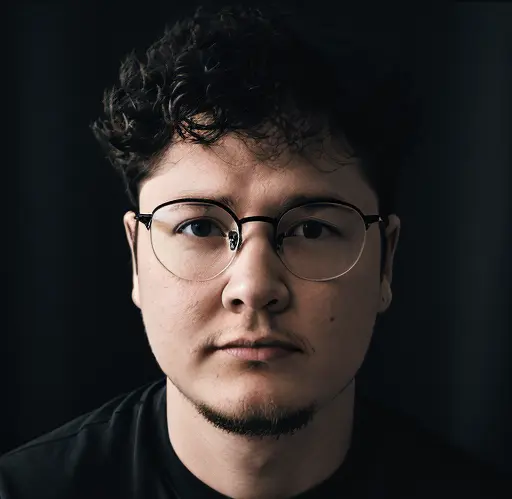
Taylor Rupe
B.A. Psychology | Editor & Researcher
Taylor holds a B.A. in Psychology, giving him a strong foundation in human behavior, motivation, and the science behind personal development. He applies this background to evaluate coaching methodologies, certification standards, and career outcomes — ensuring every article on this site is grounded in evidence rather than industry hype.