
- 1.Life coach certification is not legally required in South Carolina — life coach certification is voluntary but recommended as the market grows
- 2.Life coaches in South Carolina earn an average of $50,215/yr, below the $54,000 national average but with a favorable cost of living at 94.7
- 3.No dedicated in-state ICF programs, but national online programs like iPEC and Co-Active serve the state
- 4.Top markets: Charleston, Columbia, Greenville, Myrtle Beach, Spartanburg

Professional Life Coach Certification
Foundational coaching certification covering methods, tools, and industry best practices.

Life Purpose Coach Certification
Help clients uncover purpose, align actions with values, and create meaningful lives.

Confidence Coach Certification
Help clients develop unshakable self-trust and overcome self-doubt.

NLP Coach Certification
Leverage NLP techniques to reprogram the subconscious for lasting transformation.
Affiliate link · We may earn a commission at no extra cost to you
Life Coach Training & Certification Overview: South Carolina
South Carolina is one of the fastest-growing states in the nation, with 3.5% real GDP growth from Q3 2024 to Q3 2025 — the fastest in the country. Employment grew 1.7% year-over-year, adding 37,652 workers. This economic momentum creates growing coaching demand across the state's three major metros: Charleston, Columbia, and Greenville.
The automotive sector powers the Upstate economy, with BMW's Greer plant (the company's largest global factory) and Volvo's Ridgeville facility. Charleston has become a tech hub with companies like Blackbaud and Benefitfocus, contributing to a $51.7 billion tech sector. Prisma Health, the state's largest healthcare provider based in Greenville, anchors the healthcare industry.
South Carolina's combination of economic growth, affordable cost of living (94.7), no-annual-report LLC structure, and lifestyle appeal makes it an increasingly attractive market for coaches. The state's military presence (Fort Jackson, Joint Base Charleston, Marine Corps Air Station Beaufort) adds defense-sector coaching opportunities.
$50,215/yr
Avg. Coach Salary
94.7
Cost of Living
vs. 100 national avg
$110
LLC Filing Fee
Yes
Income Tax
Charleston
Top City
Do You Need a Life Coach Certification in South Carolina?
South Carolina does not require a license or certification to practice life coaching. The profession is unregulated at the state level. As the state's coaching market grows, ICF certification helps you stand out and signals professionalism to corporate clients. The growing corporate presence (BMW, Boeing, Volvo) brings employers who value credentialed coaches. See our certification guide for a full comparison.
| ICF-ACC | ICF-PCC | ICF-MCC | |
|---|---|---|---|
| Training Hours | 60+ hours | 125+ hours | 200+ hours |
| Coaching Experience | 100+ hours | 500+ hours | 2,500+ hours |
| Typical Cost | $2,000-$6,000 | $5,000-$12,000 | $10,000-$20,000 |
| Timeline | 6-12 months | 1-2 years | 3-5 years |
| Best For | New coaches | Established coaches | Master-level coaches |
Source: ICF Credentialing Requirements 2026
Professional Life Coach Certification
Foundational coaching certification covering methods, tools, and industry best practices.
- Transformational coaching methods
- Client session frameworks
- Business launch resources
Save thousands compared to traditional programs
Affiliate link · We may earn a commission at no extra cost to you
Life Coach Training: Getting Started in South Carolina
South Carolina does not currently have dedicated in-state ICF-accredited coach training programs.
The state's three major metro areas each offer distinct market entry points: Charleston for tech and military, Greenville for manufacturing and healthcare leadership, and Columbia for government and education. Choose the metro that best matches your specialization.
South Carolina's rapid growth means new professionals and families are constantly arriving, creating a renewable pool of potential clients who need relocation coaching, career coaching, and life transition support.
5 Steps to Life Coach Certification in South Carolina
Choose a Training Program
Select an ICF-accredited program like iPEC, Lumia, or Co-Active Training Institute.
Complete Your Training
Finish 60+ hours for ACC or 125+ hours for PCC certification, including mentor coaching and a performance evaluation.
Register Your Business
File Articles of Organization with the SC Secretary of State ($110). No annual report is required.
Get Liability Insurance
Secure professional liability coverage, typically $200-$500/yr, to protect your practice.
Find Your First Clients
Network through Charleston's tech scene, Greenville's corporate community, or Columbia's government networks.
Life Coach Salary in South Carolina
Life coaches in South Carolina earn an average of $50,215 per year according to ZipRecruiter. This is about 7% below the national average of $54,000, but the state's cost of living at 94.7 makes it a strong value proposition.
Executive coaches working with BMW, Boeing, and Volvo executives in the Upstate and Lowcountry can command $175-$400/hr. Health and wellness coaches charge $75-$150/hr. Career coaches working with the military community and manufacturing professionals typically earn $100-$200/hr.
South Carolina's rapid economic growth suggests coaching rates will trend upward as corporate demand increases. See our salary guide for more details.
Source: ZipRecruiter, 2025
Setting Up Your Coaching Business in South Carolina
South Carolina offers affordable LLC formation with no annual reporting requirement, simplifying ongoing compliance.
LLC Formation: File Articles of Organization with the South Carolina Secretary of State for $110. No annual report is required — one of the simplest ongoing compliance frameworks in the Southeast.
Insurance: Professional liability insurance typically costs $200-$500/yr and is strongly recommended.
Taxes: South Carolina has a graduated income tax with rates from 0% to 6.4%. Professional services are generally exempt from the state's 6% sales tax. The state offers various tax credits for small businesses. See our business guide for more details.
| Sole Proprietorship | LLC in South Carolina | |
|---|---|---|
| Formation Cost | $0-$50 | $110 |
| Annual Fees | None | $0/yr |
| Liability | Unlimited | Limited |
| Taxes | Personal | Pass-through |
| Credibility | Informal | Professional |
| Best For | Testing the waters | Serious practice |
Source: South Carolina SOS, 2026
Traditional ICF Programs
- Cost: $3,000–$15,000
- Duration: 6–12 months
- Schedule: Fixed class times
- Location: In-person or scheduled live
Transformation Academy
- Cost: $197
- Duration: Self-paced
- Schedule: Start anytime
- Location: 100% online
Affiliate link · We may earn a commission at no extra cost to you
Life Coach Training Programs in South Carolina
iPEC provides comprehensive ICF certification with over 20 years of accreditation.
Additional options include Lumia Coaching, Co-Active Training Institute, Symbiosis Coaching, and Certified Life Coach Institute. For a comprehensive comparison, visit our online certification guide.
In-Demand Specializations in South Carolina
Executive and leadership coaching serves the growing corporate sector — BMW, Boeing, Volvo, Michelin, and Blackbaud all have significant operations in the state. Career coaching is in demand as the state's 1.7% employment growth brings professionals relocating from other states and needing career transition support.
South Carolina's military installations (Fort Jackson in Columbia, Joint Base Charleston, Marine Corps Air Station Beaufort) create demand for military transition and family coaching. The professional and technical services sector grew 4.7%, suggesting increasing corporate demand for coaching. Charleston and Myrtle Beach's tourism economies support business coaching for hospitality entrepreneurs. The state's faith-based culture supports spiritual and Christian life coaching. Explore more in our specializations guide.
Life Coach Training by City in South Carolina
Explore coaching markets across South Carolina
How to Become a Life Coach in Charleston, South Carolina
South Carolina's historic coastal city has evolved into a major economic hub with aerospace (Boeing), healthcare (MUSC), a booming tech sector, and the deepest harbor in the South Atlantic. The Charleston region's 836,000 residents and rapid growth create strong coaching demand across corporate, military, and entrepreneurial markets.
Coaching Market
Charleston's economy is anchored by aerospace, healthcare, technology, port logistics, and tourism, creating diverse coaching demand. Joint Base Charleston is the largest employer with more than 22,000 employees, generating significant demand for military-to-civilian career transition coaching and leadership development. The Medical University of South Carolina (MUSC) employs approximately 13,000, making it the largest academic medical center in the state and a major source of healthcare leadership coaching clients. Boeing assembles wide-body jets at its North Charleston facility, one of only three such locations worldwide, employing thousands in advanced manufacturing. The Charleston County School District (6,500+ employees) and Roper St. Francis Healthcare (5,500) round out the major employer landscape. Charleston is home to more than 250 tech companies, and the 'Silicon Harbor' technology ecosystem has attracted venture capital and startup founders who seek business and executive coaching. Mercedes-Benz Vans operates a major manufacturing facility, and Robert Bosch LLC employs approximately 2,000 in automotive manufacturing. The Port of Charleston, offering access to 150-plus countries, drives logistics and supply chain management coaching demand. Coaches based in Charleston serve clients throughout the metro, including Mount Pleasant, North Charleston, Summerville, James Island, and Goose Creek. The Charleston region's population of 836,039 and rapid growth rate make it one of the Southeast's most dynamic coaching markets.
Training Programs
- Co-Active Training Institute — ICF Level 2 accredited
- iPEC — ICF-accredited, online format
- Lumia Coaching — ICF-accredited training
The ICF South Carolina Chapter (icfsc.org) provides community support and resources for coaching practitioners across the state, including a Find a Coach directory and credentialing guidance. Nationally recognized online ICF programs including iPEC Coaching, Co-Active Training Institute, Lumia Coaching, and Coach Training World deliver comprehensive Level 1 and Level 2 pathways. The College of Charleston, The Citadel, and Charleston Southern University offer professional development programs in leadership and organizational management that complement coaching credentials. MUSC's College of Health Professions provides context for coaches specializing in healthcare leadership. For coaches interested in military-transition coaching, the Department of Defense Transition Assistance Program and military-specific coaching certifications provide relevant specialization. South Carolina does not require a state-issued license for life coaching. Coaches in Mount Pleasant, North Charleston, Summerville, and Goose Creek access the same training ecosystem, with Charleston serving as the Lowcountry's hub for professional coaching education.
Networking & Community
- ICF South Carolina Chapter — Professional coaching network
- Charleston Metro Chamber of Commerce — Business networking
The ICF South Carolina Chapter (icfsc.org), founded by Mariam Kaldas, PCC, connects South Carolina-based coaches to share best practices, resources, and success stories. The chapter hosts Coach Connect events and maintains a Find a Coach directory for client referrals. The Charleston Metro Chamber of Commerce is one of the largest in South Carolina, connecting coaches with business leaders across aerospace, healthcare, tech, and tourism. The Charleston Regional Development Alliance (CRDA) provides data, employer connections, and industry insights that coaches can leverage for business development. The Charleston Digital Corridor supports the city's tech ecosystem and connects coaches with startup founders and technology professionals. For coaches targeting military and veteran communities, the Joint Base Charleston family support services and military spouse employment networks provide referral channels. The Charleston Trident Association of Realtors, Charleston Wine + Food festival organizers, and tourism industry associations provide niche networking for coaches serving specific professional communities. Coaches in Mount Pleasant, Summerville, and North Charleston participate in Charleston-based networking events while also engaging with their local chambers and business communities throughout the Lowcountry.
Business Considerations
Office Rent
A: $33.68, B: $36.91, C: $29.60/sq ft
South Carolina's LLC filing fee is $110 with no annual report filing fee, making it one of the most affordable states for ongoing LLC maintenance. Charleston office space averages $34.59 per square foot, with Class A at $33.68, Class B at $36.91, and Class C at $29.60 per square foot. These rates are the highest in South Carolina, reflecting the city's rapid growth and strong commercial demand. The Upper King Street corridor, Mount Pleasant, and the growing I-526 corridor offer varied professional environments. Coworking spaces, including national chains and local options, provide flexible workspace for coaching practitioners. South Carolina levies a state income tax with rates from 0% to 6.5%, and coaches should plan for self-employment tax obligations. The statewide average coaching salary of $50,215 may feel tight in Charleston given the city's higher cost of living (the metro's COL has risen significantly with rapid in-migration), and coaches typically need to charge premium rates. Coaches in Summerville and North Charleston find office rents 20-40 percent lower than central Charleston while remaining within 20-30 minutes of the city's corporate center. Mount Pleasant offers a premium suburban alternative. Charleston's rapid population growth and economic diversification suggest a coaching market with significant expansion potential, particularly in tech leadership, military transition, and healthcare executive coaching.
Life Coach Training Locations in South Carolina
How to Become a Life Coach in Charleston, South Carolina
South Carolina's historic coastal city has evolved into a major economic hub with aerospace (Boeing), healthcare (MUSC), a booming tech sector, and the deepest harbor in the South Atlantic. The Charleston region's 836,000 residents and rapid growth create strong coaching demand across corporate, military, and entrepreneurial markets.
Coaching Market — Charleston, South Carolina
Charleston's economy is anchored by aerospace, healthcare, technology, port logistics, and tourism, creating diverse coaching demand. Joint Base Charleston is the largest employer with more than 22,000 employees, generating significant demand for military-to-civilian career transition coaching and leadership development. The Medical University of South Carolina (MUSC) employs approximately 13,000, making it the largest academic medical center in the state and a major source of healthcare leadership coaching clients. Boeing assembles wide-body jets at its North Charleston facility, one of only three such locations worldwide, employing thousands in advanced manufacturing. The Charleston County School District (6,500+ employees) and Roper St. Francis Healthcare (5,500) round out the major employer landscape. Charleston is home to more than 250 tech companies, and the 'Silicon Harbor' technology ecosystem has attracted venture capital and startup founders who seek business and executive coaching. Mercedes-Benz Vans operates a major manufacturing facility, and Robert Bosch LLC employs approximately 2,000 in automotive manufacturing. The Port of Charleston, offering access to 150-plus countries, drives logistics and supply chain management coaching demand. Coaches based in Charleston serve clients throughout the metro, including Mount Pleasant, North Charleston, Summerville, James Island, and Goose Creek. The Charleston region's population of 836,039 and rapid growth rate make it one of the Southeast's most dynamic coaching markets.
Training Programs — Charleston, South Carolina
The ICF South Carolina Chapter (icfsc.org) provides community support and resources for coaching practitioners across the state, including a Find a Coach directory and credentialing guidance. Nationally recognized online ICF programs including iPEC Coaching, <a href="https://coactive.com/" rel="noopener" target="_blank">Co-Active Training Institute</a>, <a href="https://www.lumiacoaching.com/" rel="noopener" target="_blank">Lumia Coaching</a>, and Coach Training World deliver comprehensive Level 1 and Level 2 pathways. The College of Charleston, The Citadel, and Charleston Southern University offer professional development programs in leadership and organizational management that complement coaching credentials. MUSC's College of Health Professions provides context for coaches specializing in healthcare leadership. For coaches interested in military-transition coaching, the Department of Defense Transition Assistance Program and military-specific coaching certifications provide relevant specialization. South Carolina does not require a state-issued license for life coaching. Coaches in Mount Pleasant, North Charleston, Summerville, and Goose Creek access the same training ecosystem, with Charleston serving as the Lowcountry's hub for professional coaching education.
Networking & Community — Charleston, South Carolina
The ICF South Carolina Chapter (icfsc.org), founded by Mariam Kaldas, PCC, connects South Carolina-based coaches to share best practices, resources, and success stories. The chapter hosts Coach Connect events and maintains a Find a Coach directory for client referrals. The Charleston Metro Chamber of Commerce is one of the largest in South Carolina, connecting coaches with business leaders across aerospace, healthcare, tech, and tourism. The Charleston Regional Development Alliance (CRDA) provides data, employer connections, and industry insights that coaches can leverage for business development. The Charleston Digital Corridor supports the city's tech ecosystem and connects coaches with startup founders and technology professionals. For coaches targeting military and veteran communities, the Joint Base Charleston family support services and military spouse employment networks provide referral channels. The Charleston Trident Association of Realtors, Charleston Wine + Food festival organizers, and tourism industry associations provide niche networking for coaches serving specific professional communities. Coaches in Mount Pleasant, Summerville, and North Charleston participate in Charleston-based networking events while also engaging with their local chambers and business communities throughout the Lowcountry.
Business Considerations — Charleston, South Carolina
South Carolina's LLC filing fee is $110 with no annual report filing fee, making it one of the most affordable states for ongoing LLC maintenance. Charleston office space averages $34.59 per square foot, with Class A at $33.68, Class B at $36.91, and Class C at $29.60 per square foot. These rates are the highest in South Carolina, reflecting the city's rapid growth and strong commercial demand. The Upper King Street corridor, Mount Pleasant, and the growing I-526 corridor offer varied professional environments. Coworking spaces, including national chains and local options, provide flexible workspace for coaching practitioners. South Carolina levies a state income tax with rates from 0% to 6.5%, and coaches should plan for self-employment tax obligations. The statewide average coaching salary of $50,215 may feel tight in Charleston given the city's higher cost of living (the metro's COL has risen significantly with rapid in-migration), and coaches typically need to charge premium rates. Coaches in Summerville and North Charleston find office rents 20-40 percent lower than central Charleston while remaining within 20-30 minutes of the city's corporate center. Mount Pleasant offers a premium suburban alternative. Charleston's rapid population growth and economic diversification suggest a coaching market with significant expansion potential, particularly in tech leadership, military transition, and healthcare executive coaching.
How to Become a Life Coach in Columbia, South Carolina
South Carolina's state capital and home to the University of South Carolina, Columbia combines stable government employment with a major insurance industry presence and healthcare systems. The metro area's 837,000 residents and significantly lower costs than Charleston create an accessible coaching market.
Coaching Market — Columbia, South Carolina
As South Carolina's state capital, Columbia benefits from the State of South Carolina being the region's largest employer with approximately 60,000 employees, many working in the capital city. This government concentration creates substantial demand for public administration leadership coaching, career development, and work-life balance coaching. BlueCross BlueShield of South Carolina is the top private employer with over 10,000 people, representing one of the largest insurance operations in the Southeast. Prisma Health Midlands and Lexington Medical Center collectively employ over 21,000, making healthcare leadership coaching a major opportunity. The University of South Carolina employs nearly 6,000 and attracts approximately 50,000 college students annually, creating demand for academic leadership coaching and student career development. Healthcare and social assistance account for 14 percent of employment, retail trade 12 percent, and manufacturing 10 percent. The Columbia metro's economy is worth $58 billion. Scout Motors announced plans for a production site northeast of Columbia, expected to create 4,000 manufacturing jobs, signaling continued industrial growth. Coaches in Columbia serve clients throughout the metro, including Irmo, Lexington, West Columbia, Forest Acres, and Cayce. Fort Jackson, the Army's largest initial entry training center, adds military leadership coaching demand. The metro's population of 837,092 provides a substantial client base at costs well below Charleston.
Training Programs — Columbia, South Carolina
The ICF South Carolina Chapter (icfsc.org) provides resources, credentialing guidance, and community support for coaching practitioners throughout the state. iPEC Coaching and Co-Active Training Institute offer nationally recognized ICF-accredited programs online. The University of South Carolina's Darla Moore School of Business offers executive education and professional development programs in leadership and organizational behavior that complement coaching credentials. USC's College of Education also provides relevant graduate programs in counseling and human development. Midlands Technical College offers continuing education and professional development courses. Columbia College and Benedict College provide additional professional development options. For coaches interested in government and public sector coaching specializations, state-affiliated training organizations and the National Academy of Public Administration provide context-specific professional development. South Carolina does not require a state-issued license for life coaching. Coaches in Lexington, Irmo, and West Columbia access the same training resources, with Columbia serving as the Midlands' hub for professional coaching education.
Networking & Community — Columbia, South Carolina
The ICF South Carolina Chapter (icfsc.org) connects Columbia coaches with peers statewide through Coach Connect events, professional development, and the Find a Coach directory. The Greater Columbia Chamber of Commerce is the primary business networking organization, connecting coaches with leaders across government, healthcare, insurance, and education. The Columbia Regional Business Report and Midlands Business Journal events connect coaches with the regional business community. For coaches targeting government professionals, the capital city environment provides unique networking access through state employee organizations, government contractor communities, and legislative affairs networks. The University of South Carolina's alumni network is a powerful referral channel that extends well beyond the Columbia metro. The Central SC Alliance, the region's economic development organization, connects coaches with business leaders focused on regional growth. <a href="https://www.score.org/" rel="noopener" target="_blank">SCORE</a> Columbia provides mentoring connections with small business owners and entrepreneurs. Coaches serving Lexington, Irmo, and the broader Midlands participate in a connected regional business community where professional referrals flow across the metro area easily. The proximity of Fort Jackson provides networking access to military leadership development programs.
Business Considerations — Columbia, South Carolina
South Carolina's LLC filing fee is $110 with no annual report fee. Columbia office space averages $18.78 per square foot, with Class A at $22.07, Class B at $18.06, and Class C at $17.08 per square foot, making it one of the most affordable state capitals for professional office space. Downtown Columbia, the Vista entertainment district, and the Forest Acres commercial corridor offer varied professional environments at accessible price points. Coworking spaces have expanded in the city, serving the growing entrepreneurial community. South Carolina's state income tax ranges from 0% to 6.5% on coaching income. Columbia's significantly lower cost of living compared to Charleston means the statewide average coaching salary of $50,215 provides substantially better purchasing power in the capital. Commercial rents approximately half of Charleston's levels allow coaches to maintain professional offices without excessive overhead. Coaches in Lexington and Irmo find comparable or even lower commercial rents while remaining within 15-20 minutes of Columbia's government and corporate employment centers. The metro's economic diversification, including the anticipated Scout Motors manufacturing plant expected to create 4,000 jobs, suggests a growing market for coaching services. Columbia's combination of government stability, healthcare concentration, and university influence makes it well-suited for coaches who build institutional coaching contracts.
How to Become a Life Coach in Greenville, South Carolina
The heart of South Carolina's Upstate, Greenville has transformed from a textile town into a thriving hub for advanced manufacturing, healthcare, and engineering. BMW, Michelin, and GE Energy anchor an economy that supports 321,000 jobs across the metro, creating strong demand for leadership and executive coaching.
Coaching Market — Greenville, South Carolina
Greenville's economy has undergone a remarkable transformation from textile manufacturing to a diversified powerhouse spanning advanced manufacturing, healthcare, engineering, and technology. Prisma Health is the area's top employer with 15,941 employees, creating substantial healthcare leadership coaching demand. The Greenville County School District, the largest in South Carolina and 44th largest nationally, employs over 10,000 in public education. Michelin, the world's top-selling tire brand, maintains a major research, development, and manufacturing presence with 5,001 to 10,000 employees. Bon Secours St. Francis operates two hospitals and multiple clinics with 2,501 to 5,000 workers. GE Energy, BMW (whose only North American manufacturing plant is in nearby Spartanburg), Fluor Corporation, Magna, and Bosch all have significant operations in the Upstate, creating demand for executive coaching among engineering and manufacturing leaders. Total employment across the metro reached 321,455 as of 2025, with average annual wages of $63,704. Healthcare and social assistance has grown by 7,137 jobs over the past five years and is expected to remain the fastest-growing sector. Coaches in Greenville serve clients throughout the Upstate, including Spartanburg, Mauldin, Simpsonville, Easley, and Anderson. The metro's 401,000 residents represent South Carolina's fastest-growing urban area.
Training Programs — Greenville, South Carolina
The ICF South Carolina Chapter (icfsc.org) provides community resources and credentialing guidance for Upstate coaches. iPEC Coaching and Co-Active Training Institute offer nationally recognized ICF programs available online. Clemson University, approximately 30 miles west of Greenville, offers executive education and professional development through its Wilbur O. and Ann Powers College of Business, providing leadership and organizational development programming that complements coaching credentials. Furman University in Greenville offers professional development and continuing education. Bob Jones University and North Greenville University provide additional educational resources. Greenville Technical College offers continuing education and workforce development programs. For coaches specializing in manufacturing and engineering leadership, the Clemson University International Center for Automotive Research (CU-ICAR) in Greenville provides context for automotive industry coaching specializations. South Carolina does not require a state-issued license for life coaching. Coaches in Spartanburg, Simpsonville, Mauldin, and Easley access the same training ecosystem.
Networking & Community — Greenville, South Carolina
The ICF South Carolina Chapter (icfsc.org) connects Greenville coaches with peers statewide through Coach Connect events and the Find a Coach directory. The Greenville Chamber of Commerce is a major regional networking organization connecting coaches with business leaders across healthcare, manufacturing, engineering, and technology. The Upstate SC Alliance, the region's economic development partnership, provides access to major employer networks and industry events across the 10-county Upstate region. The Greenville Area Development Corporation connects coaches with business expansion and relocation decision-makers. For coaches targeting manufacturing and engineering leaders, the Greenville-based BMW supplier network, Michelin professional community, and advanced manufacturing associations provide concentrated networking access. The Ten at the Top regional leadership organization connects coaches with civic and community leaders across the Upstate. The Greenville Tech Foundation and Clemson University alumni networks extend referral opportunities. SCORE Greenville provides mentoring connections with entrepreneurs. Coaches in Spartanburg participate in both local and Greenville-based networking, as the two cities' business communities are highly interconnected through the I-85 corridor. The Greenville startup community, growing through organizations like NEXT and Iron Yard Alumni, provides connections for entrepreneurial coaches.
Business Considerations — Greenville, South Carolina
South Carolina's LLC filing fee is $110 with no annual report fee. Greenville office space averages $24.30 per square foot, with Class A at $29.24, Class B at $21.88, and Class C at $16.10 per square foot. These rates position Greenville between Charleston (higher) and Columbia (lower), offering a good balance of professional environment and affordable overhead. The Main Street corridor in downtown Greenville, the Haywood Road commercial area, and the Verdae district near CU-ICAR offer modern professional environments. Coworking spaces have expanded significantly in Greenville, serving the city's growing entrepreneurial community. South Carolina's state income tax of 0% to 6.5% applies to coaching income, and coaches should plan for quarterly estimated payments on self-employment income. The statewide average coaching salary of $50,215 provides reasonable purchasing power in Greenville, where the cost of living remains below national averages despite steady growth. The metro's median household income of $71,472 supports healthy coaching rates among professional clients. Coaches in Simpsonville, Mauldin, and Easley find lower commercial rents while remaining within 15-20 minutes of Greenville's corporate center. The metro's status as South Carolina's fastest-growing urban area, with strong job growth in healthcare, professional services, and manufacturing, suggests a coaching market with significant expansion potential.
How to Become a Life Coach in Myrtle Beach, South Carolina
South Carolina's premier resort city, Myrtle Beach's tourism-driven economy creates specialized coaching demand in hospitality leadership, seasonal business management, and wellness. The city's rapid population growth of nearly 20 percent since 2020 signals expanding coaching opportunities beyond the tourism sector.
Coaching Market — Myrtle Beach, South Carolina
Myrtle Beach's economy is built on tourism, with the Grand Strand attracting millions of visitors annually and driving employment concentrated in accommodation and food services (3,263 jobs), retail trade (2,064), and construction (1,888). This tourism dominance creates specialized coaching opportunities in hospitality leadership, seasonal business management, and customer experience coaching. The city's population of 42,816 is growing at 2.74 percent annually, with a 19 percent increase since the 2020 census, reflecting broader migration trends as retirees, remote workers, and entrepreneurs relocate to the coast. Beyond tourism, the healthcare sector serves both permanent residents and the region's large retiree population, creating demand for healthcare professional coaching and retirement transition coaching. The construction industry, fueled by residential and commercial development, supports demand for contractor business coaching and project leadership development. Horry-Georgetown Technical College serves as a regional education anchor, and Conway, the Horry County seat just inland, provides a more diversified economic base. Coaches in Myrtle Beach serve clients throughout the Grand Strand, including North Myrtle Beach, Surfside Beach, Garden City, Conway, and Little River. The Myrtle Beach metro area's population has grown to make it one of the fastest-expanding metros in the Southeast. The average per capita income of $36,957 and median household income of $60,394 suggest a market where coaching services may be most sustainably priced for hospitality management and business owner clients.
Training Programs — Myrtle Beach, South Carolina
The ICF South Carolina Chapter (icfsc.org) provides statewide community support and resources for coaching practitioners. iPEC Coaching and Co-Active Training Institute offer nationally recognized ICF-accredited programs available entirely online, well-suited for a market where in-person training options are limited. Coastal Carolina University in nearby Conway offers professional development through its Wall College of Business, including leadership, management, and entrepreneurship programs that complement coaching credentials. Horry-Georgetown Technical College provides continuing education and workforce development courses. For coaches specializing in wellness and health coaching, the Grand Strand's concentration of fitness facilities, wellness centers, and spa operations creates context for National Board for Health and Wellness Coaching (NBHWC) credentialing. South Carolina does not require a state-issued license for life coaching. Coaches in North Myrtle Beach, Conway, Surfside Beach, and Little River access the same training ecosystem. Given the limited local in-person options, many Grand Strand coaches complete their ICF training online and supplement with peer practice groups organized through the ICF South Carolina Chapter.
Networking & Community — Myrtle Beach, South Carolina
The ICF South Carolina Chapter (icfsc.org) connects Myrtle Beach coaches with peers statewide through Coach Connect events and the Find a Coach directory. The Myrtle Beach Area Chamber of Commerce is the primary local business networking organization, heavily focused on tourism, hospitality, and the service industries that drive the Grand Strand economy. The chamber's events connect coaches with hotel managers, restaurant owners, and tourism operators who benefit from leadership and business coaching. The Conway Area Chamber of Commerce extends networking to the county seat's more diversified business community. The Grand Strand Board of Realtors provides networking for coaches serving the real estate and development community, a major economic force in the rapidly growing region. The Myrtle Beach Regional Economic Development Corporation connects coaches with businesses involved in diversifying the economy beyond tourism. For wellness coaches, the Grand Strand's extensive network of fitness facilities, spas, and wellness centers provides cross-referral opportunities. SCORE Myrtle Beach provides mentoring connections with small business owners and seasonal entrepreneurs. Coaches serving North Myrtle Beach, Conway, and Surfside Beach participate in a closely connected Grand Strand networking ecosystem where tourism industry relationships bridge municipal boundaries.
Business Considerations — Myrtle Beach, South Carolina
South Carolina's LLC filing fee is $110 with no annual report fee. Myrtle Beach office space costs run below most South Carolina metros, typically in the $14-$22 per square foot range, reflecting the city's distance from the state's major commercial centers. The Market Common mixed-use development, Broadway at the Beach area, and the Highway 17 Bypass commercial corridor offer varied professional environments. Shared office and coworking options have expanded with the city's growth. South Carolina's state income tax of 0% to 6.5% applies to coaching income, and coaches should account for the seasonality of some client revenue when planning tax payments. The statewide average coaching salary of $50,215 provides good purchasing power in Myrtle Beach, where the cost of living remains moderate despite rising housing costs driven by in-migration. Coaches should consider the seasonal rhythm of the tourism economy, as some hospitality and small business clients may have reduced coaching budgets during the slower winter months. However, the growing permanent resident population and influx of remote workers create year-round coaching demand that is less seasonal than it was a decade ago. Coaches in Conway find even more affordable commercial space while remaining within 15 minutes of Myrtle Beach's business center. The Grand Strand's rapid population growth, at nearly 20 percent since 2020, suggests a coaching market with strong expansion potential, particularly for coaches who serve the growing non-tourism permanent resident economy.
Life Coach Certification in South Carolina: FAQs
Continue Your Research
Start Your Life Coach Certification in South Carolina
Compare ICF-accredited programs and take the first step toward building your coaching practice in the Palmetto State.
Sources
Coaching industry revenue, practitioner demographics, and income data
Life coach salary estimates for South Carolina
Cost of living comparison data for South Carolina
LLC formation requirements and filing fees
Latest Articles

Life Coaching Industry Trends 2026
The coaching industry hit $5.34 billion. Here are the trends shaping 2026 and what they mean for new coaches.

How Much Does Certification Cost?
Complete cost breakdown: ICF-ACC, ICF-PCC, affordable alternatives from $197, and hidden costs nobody mentions.

Can ChatGPT Replace a Life Coach?
AI chatbots vs human coaches: effectiveness, cost, and what the research actually says.
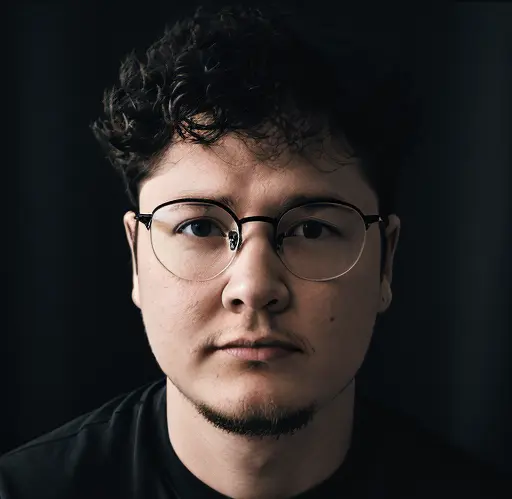
Taylor Rupe
B.A. Psychology | Editor & Researcher
Taylor holds a B.A. in Psychology, giving him a strong foundation in human behavior, motivation, and the science behind personal development. He applies this background to evaluate coaching methodologies, certification standards, and career outcomes — ensuring every article on this site is grounded in evidence rather than industry hype.