
- 1.Life coach certification is not legally required in South Dakota — life coach certification is voluntary but recommended for credibility and client trust
- 2.Life coaches in South Dakota earn an average of $48,704/yr, below the $54,000 national average, but the low cost of living (91.9) stretches that further
- 3.No in-state ICF-accredited programs, but SDSU Global Campus offers a Certified Professional Life Coach course, and multiple national online programs serve South Dakota residents
- 4.Top markets: Sioux Falls, Rapid City, Aberdeen

Professional Life Coach Certification
Foundational coaching certification covering methods, tools, and industry best practices.

Life Purpose Coach Certification
Help clients uncover purpose, align actions with values, and create meaningful lives.

Confidence Coach Certification
Help clients develop unshakable self-trust and overcome self-doubt.

NLP Coach Certification
Leverage NLP techniques to reprogram the subconscious for lasting transformation.
Affiliate link · We may earn a commission at no extra cost to you
Life Coach Training & Certification Overview: South Dakota
South Dakota's economy is anchored by agriculture, healthcare, financial services, and tourism. Sioux Falls — the state's largest city — is home to major healthcare systems like Sanford Health and Avera Health, along with financial companies including Citibank and Wells Fargo, creating demand for executive, career, and wellness coaching.
The state's low cost of living (91.9 vs. the national average of 100) and lack of state income tax make it a financially attractive place to launch a coaching practice. While the population is relatively small at roughly 920,000, the growing wellness economy and strong remote-work adoption mean South Dakota coaches can serve clients nationwide while enjoying low overhead.
Tourism around the Black Hills, Mount Rushmore, and outdoor recreation areas also creates seasonal opportunities for coaches who specialize in hospitality leadership, career transitions, and stress management.
$48,704/yr
Avg. Coach Salary
91.9
Cost of Living
vs. 100 national avg
$150
LLC Filing Fee
None
Income Tax
Sioux Falls
Top City
Do You Need a Life Coach Certification in South Dakota?
South Dakota does not require a license or certification to practice life coaching. The profession is unregulated in all 50 states, meaning you can legally begin coaching without credentials. However, earning an ICF (International Coaching Federation) certification significantly boosts your credibility and client trust.
ICF offers three credential levels — ACC, PCC, and MCC — each requiring progressively more training hours and coaching experience. For a full comparison, see our certification guide.
| ICF-ACC | ICF-PCC | ICF-MCC | |
|---|---|---|---|
| Training Hours | 60+ hours | 125+ hours | 200+ hours |
| Coaching Experience | 100+ hours | 500+ hours | 2,500+ hours |
| Typical Cost | $2,000-$6,000 | $5,000-$12,000 | $10,000-$20,000 |
| Timeline | 6-12 months | 1-2 years | 3-5 years |
| Best For | New coaches | Established coaches | Master-level coaches |
Source: ICF Credentialing Requirements 2026
Professional Life Coach Certification
Foundational coaching certification covering methods, tools, and industry best practices.
- Transformational coaching methods
- Client session frameworks
- Business launch resources
Save thousands compared to traditional programs
Affiliate link · We may earn a commission at no extra cost to you
Life Coach Training: Getting Started in South Dakota
Starting a coaching practice in South Dakota is straightforward thanks to the state's business-friendly environment and no income tax. Most coaches begin by completing an ICF-accredited training program, registering their business, and building a client base through networking and online marketing.
Since South Dakota has a smaller population, many coaches serve clients virtually. Building a strong online presence and specializing in a niche — such as career coaching for healthcare workers or executive coaching for financial services professionals — helps you stand out in the market.
5 Steps to Life Coach Certification in South Dakota
Choose a Training Program
Enroll in an ICF-accredited program. SDSU Global Campus offers a Certified Professional Life Coach course, or consider national online programs like iPEC, or Lumia Coaching.
Complete Your Training
Finish at least 60 hours of coach-specific training for ACC certification, or 125+ hours for PCC.
Register Your Business
File an LLC with the South Dakota Secretary of State ($150 filing fee, $50/yr annual report). South Dakota has no state income tax.
Get Liability Insurance
Professional liability insurance typically costs $200-$500/yr and protects your coaching practice.
Find Your First Clients
Start in Sioux Falls where the largest population and business community offers the strongest coaching market.
Life Coach Salary in South Dakota
Life coaches in South Dakota earn an average of $48,704/yr according to ZipRecruiter. While this is below the $54,000 national average, South Dakota's cost of living index of 91.9 means your money goes further.
Executive coaches in the Sioux Falls financial services corridor can command $150-$500/hr. Health and wellness coaches typically earn $75-$150/hr. The lack of state income tax means more of your earnings stay in your pocket.
For a detailed breakdown of coaching income by specialty and experience level, see our salary guide.
Source: ZipRecruiter, 2025
Setting Up Your Coaching Business in South Dakota
South Dakota is one of the most business-friendly states in the country. With no state income tax, no corporate income tax, and low filing fees, coaches keep more of what they earn.
LLC Formation: File with the South Dakota Secretary of State for $150. Annual report fees are $50/yr. The process can be completed entirely online.
Insurance: Professional liability insurance runs $200-$500/yr and is recommended even though it's not legally required.
Taxes: South Dakota has no state income tax — one of only nine states with this advantage. You'll still owe federal self-employment taxes (15.3%) and federal income tax, but the state tax savings can amount to thousands per year. See our business setup guide for more details.
| Sole Proprietorship | LLC in South Dakota | |
|---|---|---|
| Formation Cost | $0-$50 | $150 |
| Annual Fees | None | $50/yr |
| Liability | Unlimited | Limited |
| Taxes | Personal | Pass-through |
| Credibility | Informal | Professional |
| Best For | Testing the waters | Serious practice |
Source: South Dakota SOS, 2026
Traditional ICF Programs
- Cost: $3,000–$15,000
- Duration: 6–12 months
- Schedule: Fixed class times
- Location: In-person or scheduled live
Transformation Academy
- Cost: $197
- Duration: Self-paced
- Schedule: Start anytime
- Location: 100% online
Affiliate link · We may earn a commission at no extra cost to you
Life Coach Training Programs in South Dakota
South Dakota does not have dedicated in-state ICF-accredited coaching schools, but SDSU Global Campus offers a Certified Professional Life Coach course that covers ICF Core Competencies and prepares graduates for the Certified Professional Coach (CPC) credential through IAPRC.
National ICF-accredited programs available online include iPEC (20+ years ICF-accredited), and Lumia Coaching. For a full list, see our online certification guide.
In-Demand Specializations in South Dakota
South Dakota's economy suggests several coaching niches with strong demand. The Sioux Falls financial services corridor (home to Citibank and Wells Fargo operations) creates opportunities for executive coaching and career coaching. The state's large healthcare sector — led by Sanford Health and Avera Health — drives demand for health and wellness coaching.
Agricultural communities across the state benefit from business coaching for farm succession planning and rural entrepreneurship. South Dakota's outdoor recreation economy around the Black Hills also creates opportunities for life purpose coaching and stress management. See our full specializations guide.
Life Coach Training by City in South Dakota
Explore coaching markets across South Dakota
How to Become a Life Coach in Sioux Falls, South Dakota
South Dakota's largest city and economic powerhouse, Sioux Falls is home to nearly 50,000 employees across 24 major organizations spanning healthcare, financial services, and retail. The city's consistently low unemployment and growing population create sustained demand for executive, career, and wellness coaching.
Coaching Market
Sioux Falls is the undisputed economic engine of South Dakota, with a diverse employer base that creates strong coaching demand across multiple specialties. The healthcare sector dominates, with Sanford Health and Avera Health together employing tens of thousands of workers who need leadership development, burnout prevention, and career transition support. Financial services represent the second major pillar, with Wells Fargo, Citibank's credit card operations, and First Premier Bank maintaining significant local workforces. Smithfield Foods and Hy-Vee round out the top five employers, contributing manufacturing and retail management professionals who benefit from executive and team coaching.
The Sioux Falls Development Foundation reports that nearly 50,000 people work for one of the city's 24 major employers, and the organization projects employers will hire 7.3% more graduates in 2025 than they did from the 2024 graduating class. This hiring momentum signals growing opportunities for career coaches working with new professionals and for executive coaches supporting expanding management teams. The city's population has surged past 219,000 and continues growing at roughly 2.6% annually, bringing waves of transplants who often seek life coaches to navigate major transitions.
Coaches based in Sioux Falls also serve clients throughout the surrounding communities of Brandon, Harrisburg, Tea, Dell Rapids, and Canton, effectively extending the metro coaching market to over 280,000 residents. The combination of no state income tax, low cost of living relative to national averages, and a business-friendly regulatory environment makes Sioux Falls particularly attractive for coaches building practices that blend in-person sessions with virtual delivery to clients across the broader region.
Training Programs
- Co-Active Training Institute — ICF Level 2 accredited
- iPEC — ICF-accredited, online format
While no ICF-accredited training programs are physically headquartered in Sioux Falls, several strong options serve South Dakota residents. SDSU Global Campus offers a Certified Professional Life Coach program that covers the core competencies recognized by the International Coaching Federation, providing a university-backed pathway to credentialing without leaving the state. Black Hills State University in Spearfish also offers a Certified Professional Life Coach program for $1,995, which includes exam preparation and covers foundational coaching skills aligned with ICF standards.
For coaches seeking full ICF accreditation, nationally recognized online programs are the most practical route. The Co-Active Training Institute, one of the first coaching programs to receive ICF Level 2 accreditation, offers hybrid online and in-person intensives. iPEC, with over 20 years of ICF accreditation, delivers comprehensive training that works for coaches in smaller metro areas who need flexible scheduling around existing careers.
Coaches in the surrounding cities of Brandon, Harrisburg, and Tea access the same training pipeline as Sioux Falls residents, and study groups can be organized locally through the Sioux Falls Area Chamber of Commerce or coworking spaces downtown. The ICF offers three credential levels that South Dakota coaches typically pursue: Associate Certified Coach (ACC) requiring 60 training hours, Professional Certified Coach (PCC) requiring 125 hours, and Master Certified Coach (MCC) requiring 200 hours. Starting with the ACC credential while building a client base is the most common approach for new coaches in the Sioux Falls market.
Networking & Community
- ICF High Country Chapter — Professional coaching network
- Sioux Falls Area Chamber of Commerce — Business networking
- BNI Chapters — Structured referral networking
South Dakota coaches are served by the ICF High Country Chapter, which covers Idaho, Montana, North Dakota, South Dakota, Utah, and Wyoming. This regional chapter provides virtual programming, professional development events, and a community of coaches across the Mountain and Plains states. While the chapter's geographic spread means most events are virtual, this format actually works well for South Dakota coaches who can participate from Sioux Falls without travel.
Locally, the Sioux Falls Area Chamber of Commerce is the primary business networking hub, connecting coaches with potential corporate clients across healthcare, financial services, and manufacturing. The chamber's events, committees, and member directory provide visibility among the decision-makers who purchase coaching services for their teams. BNI (Business Network International) chapters in Sioux Falls offer structured referral networking where coaches can establish themselves as the go-to coaching professional within their networking group.
Coworking spaces in downtown Sioux Falls, including facilities along Phillips Avenue and in the emerging East Bank district, provide professional meeting environments and informal networking with entrepreneurs and small business owners who are natural coaching clients. Rotary clubs and the Sioux Falls Area Human Resources Association offer additional channels for building relationships with HR professionals who influence corporate coaching purchases. Coaches serving the broader metro area, including clients in Brandon, Harrisburg, Tea, Dell Rapids, and Madison, will find that Sioux Falls serves as the networking hub for the entire southeastern South Dakota region.
Business Considerations
Session Rates
$100–$250/hr (exec: $200–$400)
Office Rent
$18/sq ft avg
Coworking
$200–$500/mo
South Dakota's business environment is among the most coach-friendly in the nation. Registering an LLC requires a $150 filing fee with the South Dakota Secretary of State, plus a $50 annual report fee, and the process can be completed online. The state levies no personal income tax and no corporate income tax, meaning coaches keep more of what they earn compared to most other states. This tax advantage alone can represent thousands of dollars in annual savings for a coaching practice generating $75,000 to $150,000 in revenue.
Office space in Sioux Falls averages $18 per square foot annually, with options ranging from $8 per square foot for basic Class C space to $30 per square foot for premium Class A locations. Many coaches opt for coworking memberships at $200 to $500 per month, which provide professional meeting rooms, reliable internet, and a business address without the commitment of a traditional lease. The Highland, Gold Creek East, and Cottonwood Heights neighborhoods have the highest concentration of available office space.
Compared to nearby cities, Sioux Falls offers a middle ground on costs. Office space in Brandon or Tea runs 10-15% less than downtown Sioux Falls, while still providing easy access to the metro area's client base. The cost of living in Sioux Falls sits at 91.9% of the national average, giving coaches competitive pricing power: charging $100 to $250 per session is typical for the market, with executive coaching commanding $200 to $400 per session. The combination of no income tax, affordable overhead, and a growing metro population makes Sioux Falls one of the most financially viable cities in the Great Plains for launching a coaching practice.
Life Coach Training Locations in South Dakota
How to Become a Life Coach in Sioux Falls, South Dakota
South Dakota's largest city and economic powerhouse, Sioux Falls is home to nearly 50,000 employees across 24 major organizations spanning healthcare, financial services, and retail. The city's consistently low unemployment and growing population create sustained demand for executive, career, and wellness coaching.
Coaching Market — Sioux Falls, South Dakota
Sioux Falls is the undisputed economic engine of South Dakota, with a diverse employer base that creates strong coaching demand across multiple specialties. The healthcare sector dominates, with Sanford Health and Avera Health together employing tens of thousands of workers who need leadership development, burnout prevention, and career transition support. Financial services represent the second major pillar, with Wells Fargo, Citibank's credit card operations, and First Premier Bank maintaining significant local workforces. Smithfield Foods and Hy-Vee round out the top five employers, contributing manufacturing and retail management professionals who benefit from executive and team coaching. The Sioux Falls Development Foundation reports that nearly 50,000 people work for one of the city's 24 major employers, and the organization projects employers will hire 7.3% more graduates in 2025 than they did from the 2024 graduating class. This hiring momentum signals growing opportunities for career coaches working with new professionals and for executive coaches supporting expanding management teams. The city's population has surged past 219,000 and continues growing at roughly 2.6% annually, bringing waves of transplants who often seek life coaches to navigate major transitions. Coaches based in Sioux Falls also serve clients throughout the surrounding communities of Brandon, Harrisburg, Tea, Dell Rapids, and Canton, effectively extending the metro coaching market to over 280,000 residents. The combination of no state income tax, low cost of living relative to national averages, and a business-friendly regulatory environment makes Sioux Falls particularly attractive for coaches building practices that blend in-person sessions with virtual delivery to clients across the broader region.
Training Programs — Sioux Falls, South Dakota
While no ICF-accredited training programs are physically headquartered in Sioux Falls, several strong options serve South Dakota residents. SDSU Global Campus offers a Certified Professional Life Coach program that covers the core competencies recognized by the International Coaching Federation, providing a university-backed pathway to credentialing without leaving the state. Black Hills State University in Spearfish also offers a Certified Professional Life Coach program for $1,995, which includes exam preparation and covers foundational coaching skills aligned with ICF standards. For coaches seeking full ICF accreditation, nationally recognized online programs are the most practical route. The <a href="https://coactive.com/" rel="noopener" target="_blank">Co-Active Training Institute</a>, one of the first coaching programs to receive ICF Level 2 accreditation, offers hybrid online and in-person intensives. iPEC, with over 20 years of ICF accreditation, delivers comprehensive training that works for coaches in smaller metro areas who need flexible scheduling around existing careers. Coaches in the surrounding cities of Brandon, Harrisburg, and Tea access the same training pipeline as Sioux Falls residents, and study groups can be organized locally through the Sioux Falls Area Chamber of Commerce or coworking spaces downtown. The ICF offers three credential levels that South Dakota coaches typically pursue: Associate Certified Coach (ACC) requiring 60 training hours, Professional Certified Coach (PCC) requiring 125 hours, and Master Certified Coach (MCC) requiring 200 hours. Starting with the ACC credential while building a client base is the most common approach for new coaches in the Sioux Falls market.
Networking & Community — Sioux Falls, South Dakota
South Dakota coaches are served by the ICF High Country Chapter, which covers Idaho, Montana, North Dakota, South Dakota, Utah, and Wyoming. This regional chapter provides virtual programming, professional development events, and a community of coaches across the Mountain and Plains states. While the chapter's geographic spread means most events are virtual, this format actually works well for South Dakota coaches who can participate from Sioux Falls without travel. Locally, the Sioux Falls Area Chamber of Commerce is the primary business networking hub, connecting coaches with potential corporate clients across healthcare, financial services, and manufacturing. The chamber's events, committees, and member directory provide visibility among the decision-makers who purchase coaching services for their teams. <a href="https://www.bni.com/" rel="noopener" target="_blank">BNI</a> (Business Network International) chapters in Sioux Falls offer structured referral networking where coaches can establish themselves as the go-to coaching professional within their networking group. Coworking spaces in downtown Sioux Falls, including facilities along Phillips Avenue and in the emerging East Bank district, provide professional meeting environments and informal networking with entrepreneurs and small business owners who are natural coaching clients. Rotary clubs and the Sioux Falls Area Human Resources Association offer additional channels for building relationships with HR professionals who influence corporate coaching purchases. Coaches serving the broader metro area, including clients in Brandon, Harrisburg, Tea, Dell Rapids, and Madison, will find that Sioux Falls serves as the networking hub for the entire southeastern South Dakota region.
Business Considerations — Sioux Falls, South Dakota
South Dakota's business environment is among the most coach-friendly in the nation. Registering an LLC requires a $150 filing fee with the South Dakota <a href="https://sdsos.gov/business-services/default.aspx" rel="noopener" target="_blank">Secretary of State</a>, plus a $50 annual report fee, and the process can be completed online. The state levies no personal income tax and no corporate income tax, meaning coaches keep more of what they earn compared to most other states. This tax advantage alone can represent thousands of dollars in annual savings for a coaching practice generating $75,000 to $150,000 in revenue. Office space in Sioux Falls averages $18 per square foot annually, with options ranging from $8 per square foot for basic Class C space to $30 per square foot for premium Class A locations. Many coaches opt for coworking memberships at $200 to $500 per month, which provide professional meeting rooms, reliable internet, and a business address without the commitment of a traditional lease. The Highland, Gold Creek East, and Cottonwood Heights neighborhoods have the highest concentration of available office space. Compared to nearby cities, Sioux Falls offers a middle ground on costs. Office space in Brandon or Tea runs 10-15% less than downtown Sioux Falls, while still providing easy access to the metro area's client base. The cost of living in Sioux Falls sits at 91.9% of the national average, giving coaches competitive pricing power: charging $100 to $250 per session is typical for the market, with executive coaching commanding $200 to $400 per session. The combination of no income tax, affordable overhead, and a growing metro population makes Sioux Falls one of the most financially viable cities in the Great Plains for launching a coaching practice.
How to Become a Life Coach in Rapid City, South Dakota
Gateway to the Black Hills and Mount Rushmore, Rapid City blends tourism, healthcare, military operations at Ellsworth Air Force Base, and energy sector headquarters to create a diverse coaching market with unique seasonal dynamics.
Coaching Market — Rapid City, South Dakota
Rapid City's economy is shaped by four distinct pillars, each generating coaching demand in different ways. Tourism drives millions of visitors annually to Mount Rushmore, the Sturgis Motorcycle Rally, Deadwood, and Badlands National Park, supporting a hospitality and service industry workforce that benefits from leadership coaching and seasonal stress management. Monument Health anchors the healthcare sector with over 8,000 employees across the region, creating consistent demand for executive coaching, career development, and burnout prevention among clinical and administrative professionals. Ellsworth Air Force Base, home of the 28th Bomb Wing flying the B-1B long-range bomber, along with the Army National Guard at Camp Rapid, brings a substantial military community. Military spouses frequently seek career coaching as they navigate relocations, and transitioning service members represent a growing market for coaches specializing in civilian career transitions. Black Hills Corporation, the energy giant headquartered in Rapid City, provides corporate coaching opportunities at the executive and management levels. Coaches in Rapid City also serve clients in Spearfish, Sturgis, Deadwood, Box Elder, and the broader Black Hills communities, extending the effective market across a region with roughly 150,000 residents. The city's position as a regional hub for western South Dakota means professionals from smaller communities throughout Pennington, Meade, and Lawrence counties travel to Rapid City for services, including coaching. The tourism economy creates seasonal peaks where hospitality leadership coaching and stress management services see heightened demand from May through September.
Training Programs — Rapid City, South Dakota
Rapid City residents pursuing coaching credentials have access to several pathways. Black Hills State University in nearby Spearfish, just 45 miles north, offers a Certified Professional Life Coach program for $1,995 that includes the certification exam and covers core ICF competencies. This is the closest in-person-adjacent option for Rapid City coaches and provides a university-branded credential that carries weight in the local market. SDSU Global Campus also offers its Certified Professional Life Coach course online, accessible from anywhere in South Dakota. For full ICF accreditation, online programs are the primary route. The Co-Active Training Institute offers Level 2 ICF-accredited training with periodic intensive workshops that can be attended in Denver, the nearest major city with regular in-person coaching education events. iPEC and the International Coach Academy round out the options for coaches who prefer fully virtual programs. Coaches in Spearfish, Sturgis, and Box Elder access the same training pipeline and often form study groups with Rapid City peers. The Black Hills State University campus in Spearfish can serve as a meeting point for coaches from across the western South Dakota region who want to practice skills together in person while completing online certification programs.
Networking & Community — Rapid City, South Dakota
The ICF High Country Chapter serves Rapid City coaches alongside peers in Idaho, Montana, North Dakota, Utah, and Wyoming. This multi-state chapter holds virtual events that connect Rapid City coaches with a broader professional community across the Northern Plains and Rocky Mountain region. The virtual format is particularly valuable given Rapid City's geographic isolation from major coaching hubs. The Rapid City Area Chamber of Commerce is the primary local networking venue, connecting coaches with business owners and corporate leaders across the region. The chamber's committees and events provide regular opportunities to build relationships with the HR professionals at Monument Health, Black Hills Corporation, and other major employers who purchase coaching services. The Black Hills Business Alliance and regional economic development organizations offer additional channels for meeting potential corporate clients. The small-city environment of Rapid City means word-of-mouth referrals carry exceptional weight. Building relationships through Rotary clubs, Kiwanis, and local nonprofit boards creates visibility that translates directly into client referrals. Coaches serving the broader Black Hills region, including clients in Spearfish, Sturgis, Deadwood, Lead, and Custer, will find that the tight-knit business communities in these smaller towns amplify referral networks. The annual Sturgis Rally and tourism season also bring opportunities for coaches to connect with hospitality industry leaders who need team coaching and seasonal workforce development support.
Business Considerations — Rapid City, South Dakota
Rapid City offers lower overhead than Sioux Falls while maintaining access to a substantial regional market. Office space averages $12 to $16 per square foot annually, with Class B space in downtown Rapid City and along Omaha Street available at the lower end of that range. Coworking options are available at $150 to $400 per month, providing professional meeting rooms without a long-term lease commitment. South Dakota's LLC formation requires only $150 in filing fees plus a $50 annual report, and the absence of state income tax and corporate income tax makes Rapid City coaching practices particularly profitable relative to revenue. A coach earning $80,000 annually in Rapid City keeps significantly more than a coach earning the same amount in a state with 5-7% income tax, effectively adding $4,000 to $5,600 in take-home pay. The cost of living in Rapid City is slightly lower than Sioux Falls, and housing costs are moderate by national standards. This allows coaches to price their services competitively while maintaining healthy margins. Session rates in the Rapid City market typically range from $75 to $200 for life coaching, with executive coaching commanding $150 to $350 per session. The tourism economy creates seasonal income variability that savvy coaches address by building retainer contracts with healthcare and military-connected clients during the quieter winter months, then adding hospitality leadership clients during the peak season from May through September.
How to Become a Life Coach in Aberdeen, South Dakota
The third-largest city in South Dakota and the commercial hub of the northeast region, Aberdeen combines healthcare, higher education at Northern State University, and value-added agriculture to support a growing professional services market.
Coaching Market — Aberdeen, South Dakota
Aberdeen serves as the economic center for a large rural region in northeastern South Dakota, with its 27,900 residents supporting an employment base of over 15,200 workers. The healthcare sector leads employment, with Avera St. Luke's Hospital anchoring a health care and social assistance industry that employs 2,347 people locally. Retail trade follows with 2,093 workers, and manufacturing accounts for 1,908 jobs across companies like RDO Equipment and operations connected to the region's agricultural economy. Northern State University provides a steady pipeline of education professionals, administrators, and students who represent coaching clients across career development, academic performance, and leadership domains. Wells Fargo Auto Finance maintains operations in Aberdeen, bringing financial services professionals who benefit from executive and career coaching. Agtegra Cooperative and the broader agricultural economy create unique coaching opportunities around farm business succession, rural leadership development, and stress management for agricultural producers facing market volatility. Coaches in Aberdeen effectively serve the broader northeastern South Dakota region, including communities in Watertown, Huron, Redfield, and Groton. The distances between these communities mean virtual coaching delivery is standard, but Aberdeen's position as the regional hub means in-person sessions are practical for clients within a 60-mile radius. The combination of healthcare, education, agriculture, and manufacturing creates a diverse enough client base to sustain a coaching practice, though most successful Aberdeen coaches build virtual practices that extend their reach statewide or nationally.
Training Programs — Aberdeen, South Dakota
Aberdeen coaches access training entirely through online and distance-learning programs. SDSU Global Campus offers a Certified Professional Life Coach course covering ICF core competencies, available to South Dakota residents regardless of location. Black Hills State University's Certified Professional Life Coach program at $1,995 is also accessible online from Aberdeen, providing an affordable university-backed credential. Nationally accredited online programs serve as the primary pathway to full ICF credentialing for Aberdeen residents. The Co-Active Training Institute and iPEC both provide comprehensive online training tracks that meet ICF requirements for the ACC, PCC, and MCC credential levels. Northern State University's campus provides an academic environment for study groups and skills practice, and the university's continuing education office may offer complementary professional development opportunities. Coaches in the surrounding communities of Watertown, Huron, Groton, and Redfield access the same online training options, and forming regional study or practice groups with peers across northeastern South Dakota can provide the accountability and skill-building that purely solo online study sometimes lacks.
Networking & Community — Aberdeen, South Dakota
The ICF High Country Chapter provides the professional coaching community for Aberdeen coaches, offering virtual events, professional development, and connections with coaches across six states including South Dakota. While the chapter's geographic scope is broad, the virtual programming makes it equally accessible from Aberdeen as from any larger city. The Aberdeen Area Chamber of Commerce is the primary local business networking organization, offering events, committees, and a member directory that connects coaches with business owners, healthcare administrators, and education leaders who purchase or recommend coaching services. The chamber's close-knit membership means that consistent participation builds recognition quickly in a way that would take much longer in a larger metro. Agricultural organizations, including the South Dakota Farmers Union and regional producer groups connected to Agtegra Cooperative, offer networking channels for coaches developing farm and ranch business coaching niches. The Aberdeen Development Corporation supports new business development and can connect coaches with entrepreneurs seeking business coaching. Rotary, Kiwanis, and Lions clubs in Aberdeen provide service-oriented networking where coaches build trust through community involvement. For coaches serving the broader region, the Watertown Area Chamber of Commerce and Huron Area Chamber of Commerce extend the networking footprint across northeastern South Dakota.
Business Considerations — Aberdeen, South Dakota
Aberdeen offers the lowest business overhead among South Dakota's cities with meaningful coaching markets. Office space averages $10 to $14 per square foot annually, significantly less than Sioux Falls or Rapid City, though many coaches operate virtually with occasional in-person sessions at local coworking spaces or coffee shops with private meeting areas. South Dakota's business-friendly structure applies equally in Aberdeen: $150 LLC filing fee, $50 annual report, no state income tax, and no corporate income tax. This means a coaching practice generating $60,000 to $100,000 annually retains virtually all earnings after federal taxes and business expenses, without the state-level burden that coaches in neighboring Minnesota or Iowa face. The small-market reality means that most successful Aberdeen coaches build hybrid practices: a core of local clients served in person, supplemented by virtual clients across the state, region, or nation. Agricultural business coaching represents a distinctive niche with limited competition, as farm and ranch families navigating succession planning, partnership dynamics, and the stress of commodity-dependent businesses are underserved by the coaching industry nationally. Session rates in Aberdeen typically range from $60 to $150 for life coaching, reflecting the lower cost of living, with agricultural business coaching and executive coaching commanding $100 to $250 per session. The proximity to communities like Watertown, Huron, and Brookings means coaches can build multi-city client bases through regular travel or virtual delivery.
Life Coach Certification in South Dakota: FAQs
Continue Your Research
Start Your Life Coach Certification in South Dakota
Compare ICF-accredited programs and take the first step toward building your coaching practice.
Sources
Coaching industry revenue, practitioner demographics, and income data
Life coach salary estimates for South Dakota
Cost of living comparison data for South Dakota
LLC formation requirements and filing fees
Latest Articles

Life Coaching Industry Trends 2026
The coaching industry hit $5.34 billion. Here are the trends shaping 2026 and what they mean for new coaches.

How Much Does Certification Cost?
Complete cost breakdown: ICF-ACC, ICF-PCC, affordable alternatives from $197, and hidden costs nobody mentions.

Can ChatGPT Replace a Life Coach?
AI chatbots vs human coaches: effectiveness, cost, and what the research actually says.
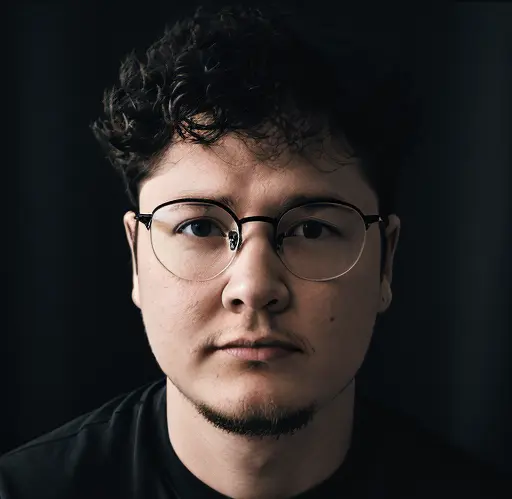
Taylor Rupe
B.A. Psychology | Editor & Researcher
Taylor holds a B.A. in Psychology, giving him a strong foundation in human behavior, motivation, and the science behind personal development. He applies this background to evaluate coaching methodologies, certification standards, and career outcomes — ensuring every article on this site is grounded in evidence rather than industry hype.